The Litchfield Garden Club

DSC_0024

This stone flower urn stands at the intersection of North Street and Norfolk Road in Litchfield.  There are no markers or inscriptions to tell the curious passerby when or why it was built, or by whom.  Further investigation, however, reveals that this is one of the many contributions made by the Litchfield Garden Club to beautify the town.

LGC-CentLogoFinal_jan2012_722013 marks the 100th anniversary of the Litchfield Garden Club.  On September 9, 1913, nine women from the Litchfield area met at the home of Edith and Alice Kingsbury on North Street and organized the club, with annual dues of two dollars.  S. Edson Gage, an architect who had designed the Litchfield Playhouse that stood at the  site of the current town hall, was elected president.

2013-06-29 08.36.45

The old Litchfield train station on Russell Street.

The organization’s first civic project took place in 1914, when – in cooperation with the Village Improvement Society – they spent ten dollars for plantings at the town’s train station on Russell Street.  After the First World War the club was active in maintaining the plantings at the train station as well as beautifying the grounds of the town’s schools and library, and in creating Litchfield’s Wild Gardens on land leased from White Memorial.
trough

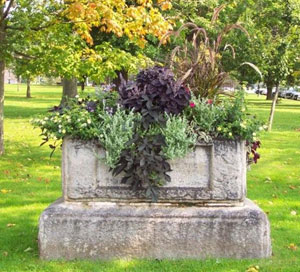
Flowers planted by the Garden Club in the trough of Litchfield’s Water Monument.

The Norfolk Road planter was installed in 1954 (the club’s website indicates there may have been others along Norfolk Road), flowers were planted at traffic intersections, and the organization was also instrumental in getting Litchfield’s Historic District added to the National Registrar of Historic Places.  More recently, the club has replanted the trees along North and South Street that were originally planted by Oliver Wolcott, Jr. to commemorate the original 13 states and installed period lighting on the Litchfield Green.

Happy 100th anniversary to the Litchfield Garden Club, which has done so much to enhance the natural beauty of our town!

Hidden Nearby: Bethlehem’s Joseph Bellamy Monument

2013-06-29 08.52.55This monument on the Bethlehem green marks the location of the church where Joseph Bellamy preached.  Bellamy was one of the leading Congregationalist pastors and theologians – as well as a prominent educator and writer – of the late 18th century.  Born in Cheshire, Connecticut, in 1719, he graduated from Yale in 1735 and studied for a time under the famed minister of the Great Awakening, Jonathan Edwards.

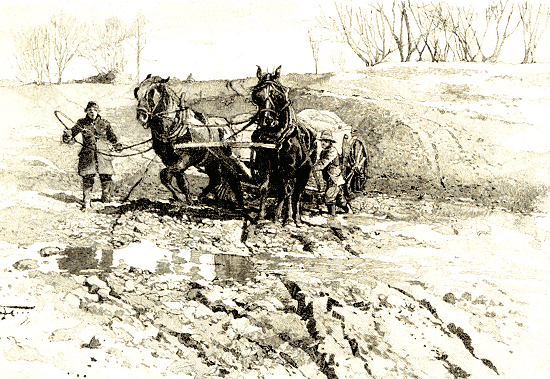
Muddy_roadBellamy was licensed to preach in 1738, at the age of nineteen.  That same year Bethlehem, a community of fourteen families, was granted “winter privileges.”  Because of the poor nature of 18th century roads, settlements were given the privilege of hiring their own minister for the winter months instead of traveling to the nearest established church.  Bellamy began preaching on November 2nd of that year and 1740 formally became the town’s minister.

BarberJohnWarnerBethlehemCT

Bethlehem, 1836. The Congregational Church is on the right.

Initial services were held in a barn, but by 1767 the townspeople had voted to tear down the old meetinghouse and hired workers at four shillings a day to construct a new meetinghouse, with dimensions of 60 by 43 feet.  The new meetinghouse would have a “good decent bell” and a “lightning-rod” and the interior would be arranged for “men not to infringe on women’s pues.”

2013-06-29 08.51.52It has been stated that no theologian of the time – except for Edwards – had the impact  that Bellamy had.  This was due largely to his teaching of theological students and the publication of his twenty-two books, which laid out the basic ideas of New Light Congregationalism.  New Lights largely accepted the revival movements of the Great Awakening and as such brought political divisions to largely Old Light New England.  In response to these divisions minister Gideon Hawley, wrote to Bellamy in 1763 that he didn’t “know of but two clergymen however in the country that appear to like your principles.” In spite of his controversial views, Bellamy served as the pastor in Bethlehem for more than half a century, until his death in 1790.

A future post will examine the history of Bellamy’s house, now maintained as the Bellamy-Ferriday House and Gardens.

July 4, 1876: Litchfield Celebrates the Centennial

DSC_0033

The town of Litchfield celebrated the nation’s centennial in grand style.  A committee had been formed “to arrange for the commemoration of the Centennial Anniversary of the Declaration of Independence.”  The festivities began on the evening of July 3, when the village bells were “rung from 8 to 10 o’clock P. M., and houses in the village illuminated.”

harpers1876f

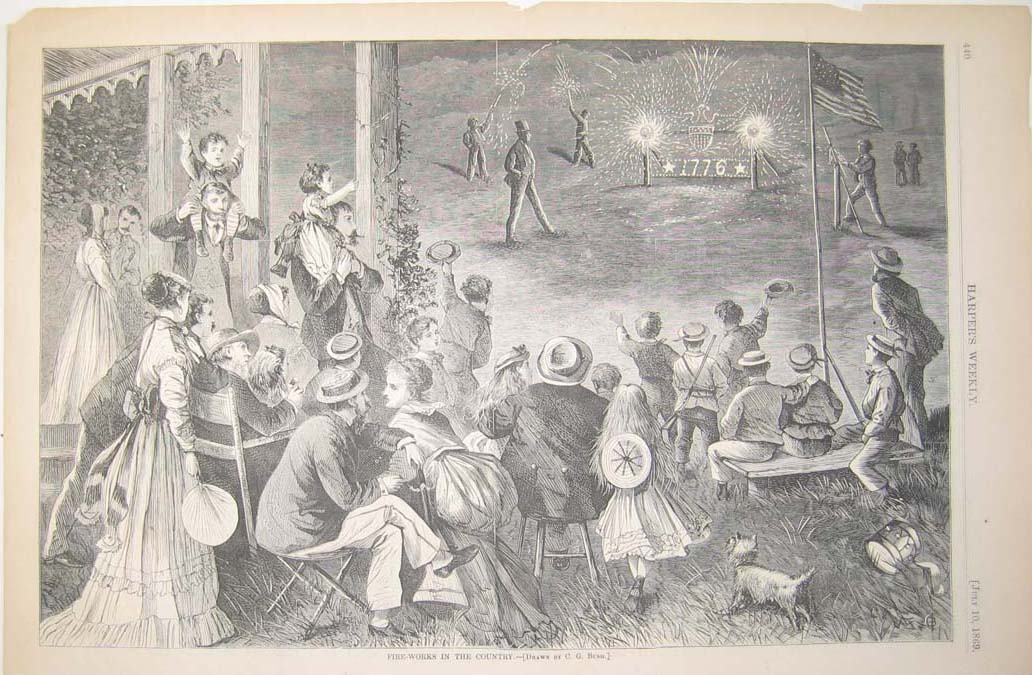
An 1869 issue of Harper’s Weekly depicted Fourth of July fireworks.

At sunrise on Independence Day, the town’s bells rang for another hour, and all townspeople were asked to display the American flag.  The formal public ceremonies began at 10:00 am with church services and a reading of the Declaration of Independence by Truman Smith, the 94 year-old former senator and congressman.  In the afternoon, a display of Revolutionary War artifacts was opened in the Court House.  The day concluded with another illumination and with fireworks over the center of town.

Woodruff

George Catlin Woodruff

The driving force behind the festivities was George Catlin Woodruff, who that day delivered a 44-page address on the town’s history.  Woodruff was born in 1805, and was described by a fellow townsman as “erect in figure, and singularly robust; always of the finest health; always at work and never seemingly fatigued; nothing in nature so typified him as an oak which has withstood every vicissitude of storm a century of time.”

An 1825 graduate of the Litchfield Law School, Woodruff served several terms in the state legislature, and one term in the United States Congress.  He was best known for his 1845 history of the town, which was marked by the precision of his research.  The same year he wrote a Geneaological Register of the Inhabitants of Litchfield from 1720 to 1800.  In his address that day, Woodruff discussed the town’s history between 1776 and 1876, but was “concerned chiefly with the share our town had taken in the Revolution.”

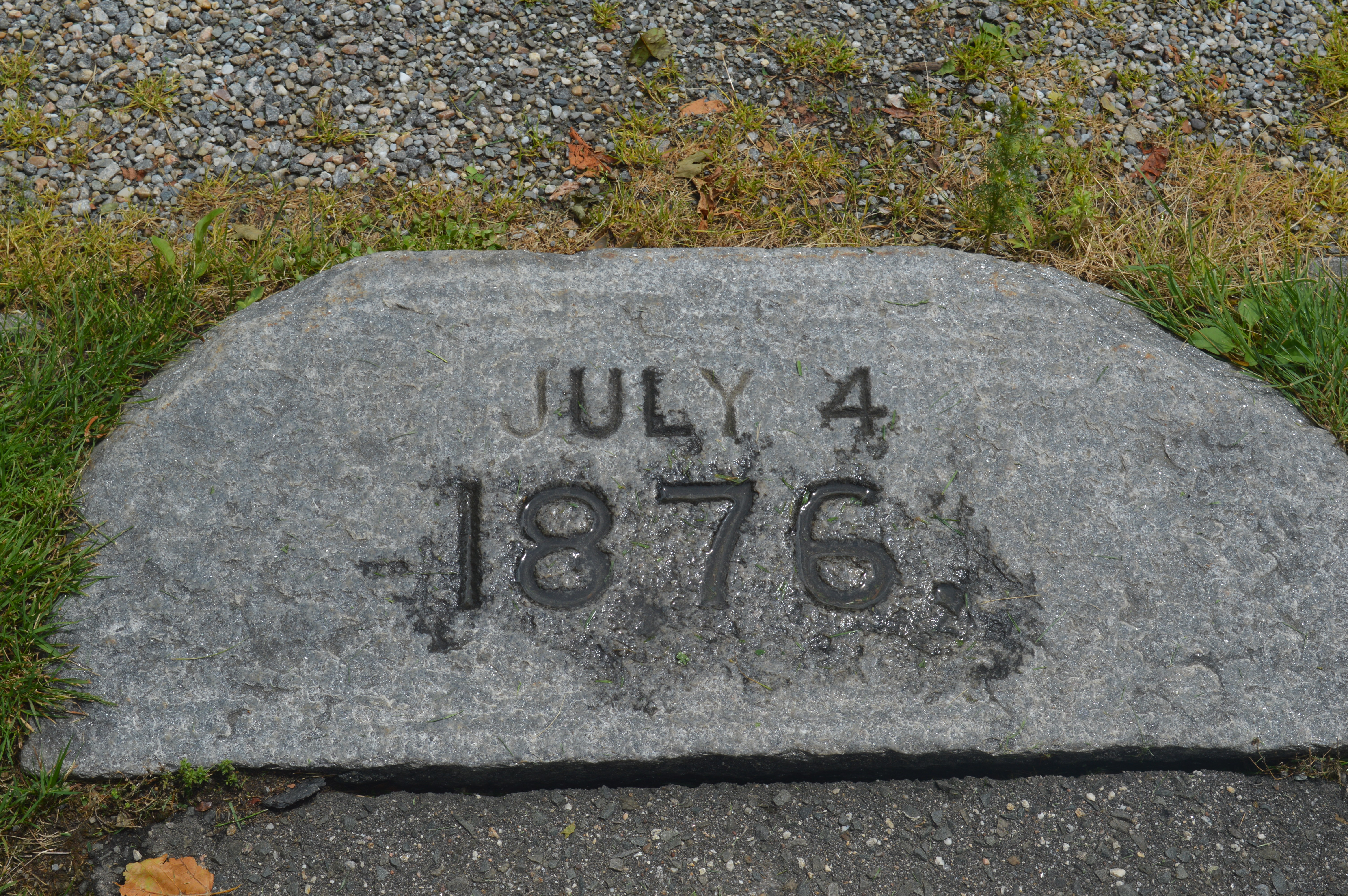
DSC_0035Woodruff would go on to be the first vice president of the county historical society before his death in 1885.  It is not difficult to imagine that it was with great pride in his role in honoring the nation’s centennial that Woodruff had that memorable date carved into a stepping stone outside his home on South Street, opposite Saint Anthony of Padua’s Church.

The Frances Howe Sutton Bridge

sutton bridge

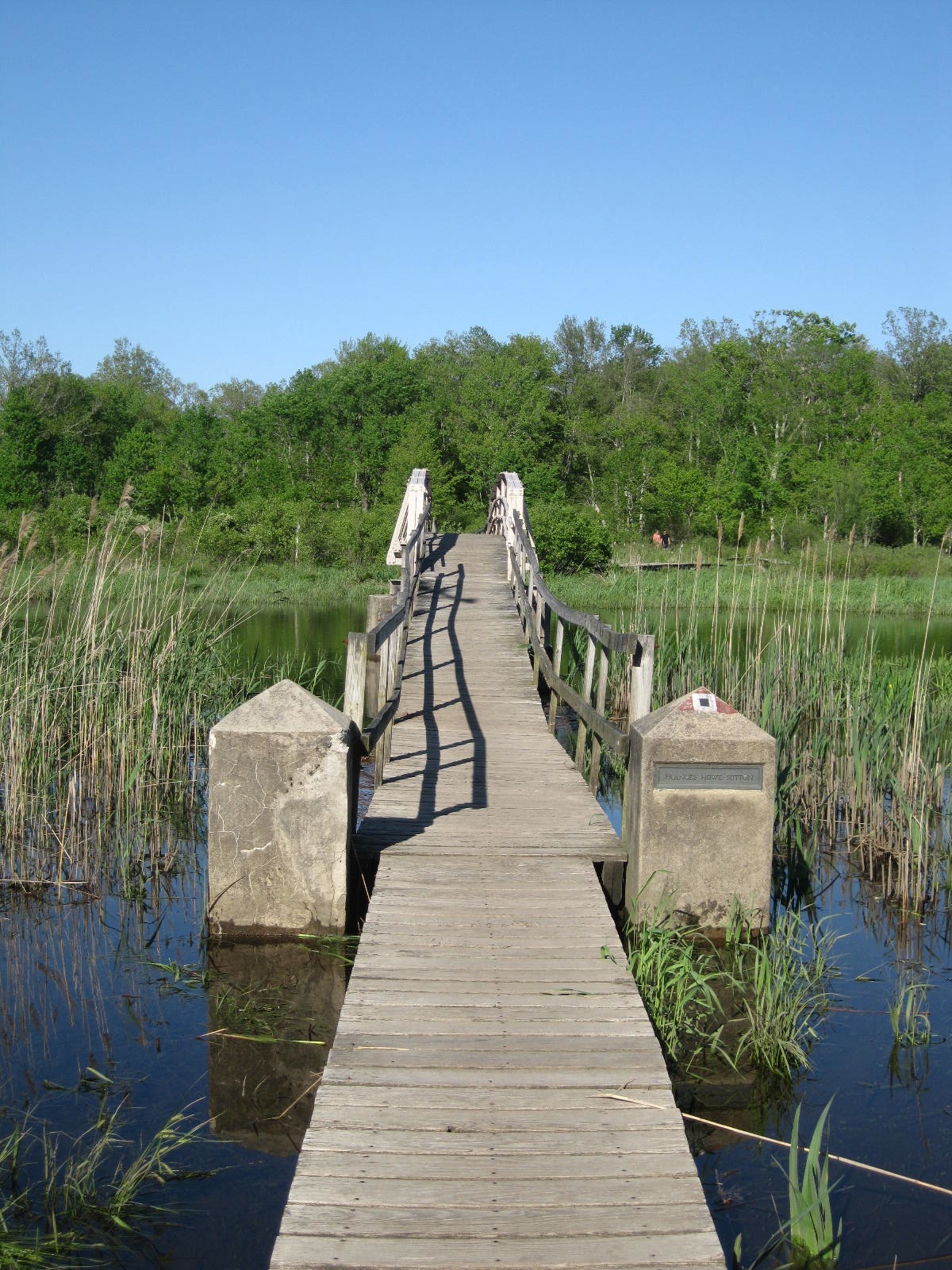
The Frances Howe Sutton bridge on the Little Pond Trail in White Memorial Note the plaque on the right side of the bridge.

The most popular trail in the White Memorial Foundation is the boardwalk that encircles Little Pond.  The bridge in the photograph above, which carries a plaque honoring Frances Howe Sutton, spans the outlet of the pond, where the Bantam River turns toward Bantam Lake.

Wild Garden Map

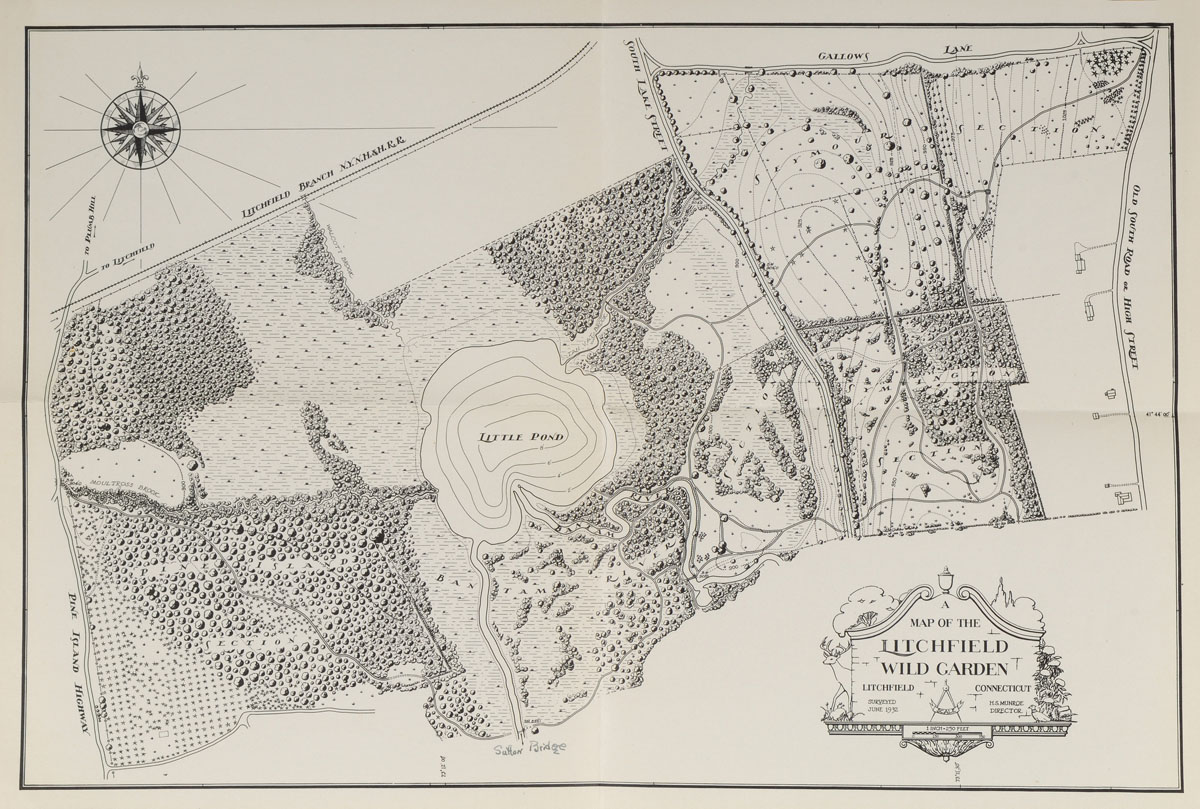
A 1932 map showing the Litchfield Wild Garden. The Sutton Bridge appears at the bottom. “Map of the Litchfield Wild Garden” Litchfield Historical Society, Helga J. Ingraham Memorial Library. Thanks to Linda Hocking at the Litchfield Historical Society for providing the digital image.

In 1922, the White Memorial Foundation leased 150 acres east of Little Pond to the Litchfield Garden Club for the “creation and maintenance of a wild garden containing trees, shrubs and flowers native to Connecticut and to Litchfield County.”  (The Garden Club paid $1.00 to lease the land for ten years.)  The garden club created trails through this area to allow visitors to access the flora.  This became known as the Litchfield Wild Garden.  In 1928, the Munroe Bridge was built to offer visitors access to the west side of the Bantam River as it flowed into Little Pond.  (This is the bridge near the Litchfield Country Club.)

suttonTen years later, Herbert L. Sutton financed the construction of a second bridge, which was built in memory of his wife, Frances Howe Sutton.  This bridge crossed the river as it flowed out of Little Pond, and gave visitors access to the Pine Island section of White Memorial.

sutton 3In subsequent years management of the Wild Garden passed from the Litchfield Garden Club to the Wild Garden Association and then to the Litchfield Hills Audubon Society.  In 1959, the boardwalk was completed around the entirety of Little Pond, in memory of Ralph T. Wadhams.  Finally, in 1975, the area of the Wild Garden reverted back to White Memorial.  While the trails in this area are no longer maintained, the careful observer can still locate where they once ran.

little pond

The view from the bridge.

In September 1985, flooding from Hurrican Gloria necessitated a rebuilding of the boardwalk.  Ultimately this project required 57,000 board feet of lumber, 2,600 hours of labor, tons of nails, and $73,000 to repair the 1.2 mile trail.  While entire sections of the trail and uncounted individual boards have been replaced since 1985, the structure of the boardwalk remains today.  Those who have ventured to Little Pond for birding in the spring or to admire the stark beauty of a New England winter understand why this trail remains White Memorial’s most popular.

For more information on the Little Pond boardwalk, see Keith R. Cudworth, The White Memorial Foundation:  The First 100 Years, The Legacy of Alain and May White (White Memorial Foundation, 2012).

Road Race Park

Road Race parkWith the 37th annual Litchfield Hill Road Race only days away it seems appropriate to highlight a relatively new monument that shows that commemoration is an ongoing process.  Where the trail over Plumb Hill intersects with Whites’ Woods Road stands Road Race Park, a small plot of land with markers to recognize the contributions of those who have helped make the race possible.

lhrr

Photo courtesy of Waterbury Republican American

What began in 1977 as the brainchild of a few friends to bring to Litchfield a road race modeled after the famed seven-miler in Falmouth, Massachusetts, has grown into a weekend of events that culminates with approximately 1,500 runners making their way through town and White Memorial.  Participants have come from all age groups and dozens of countries and have included those who walk the course to marathon champions Bill Rodgers and Joan Benoit Samuelson.  Runner’s World Magazine declared Gallow’s Hill the eighth most difficult hill in racing.

Of course, none of it would be possible without the volunteers.

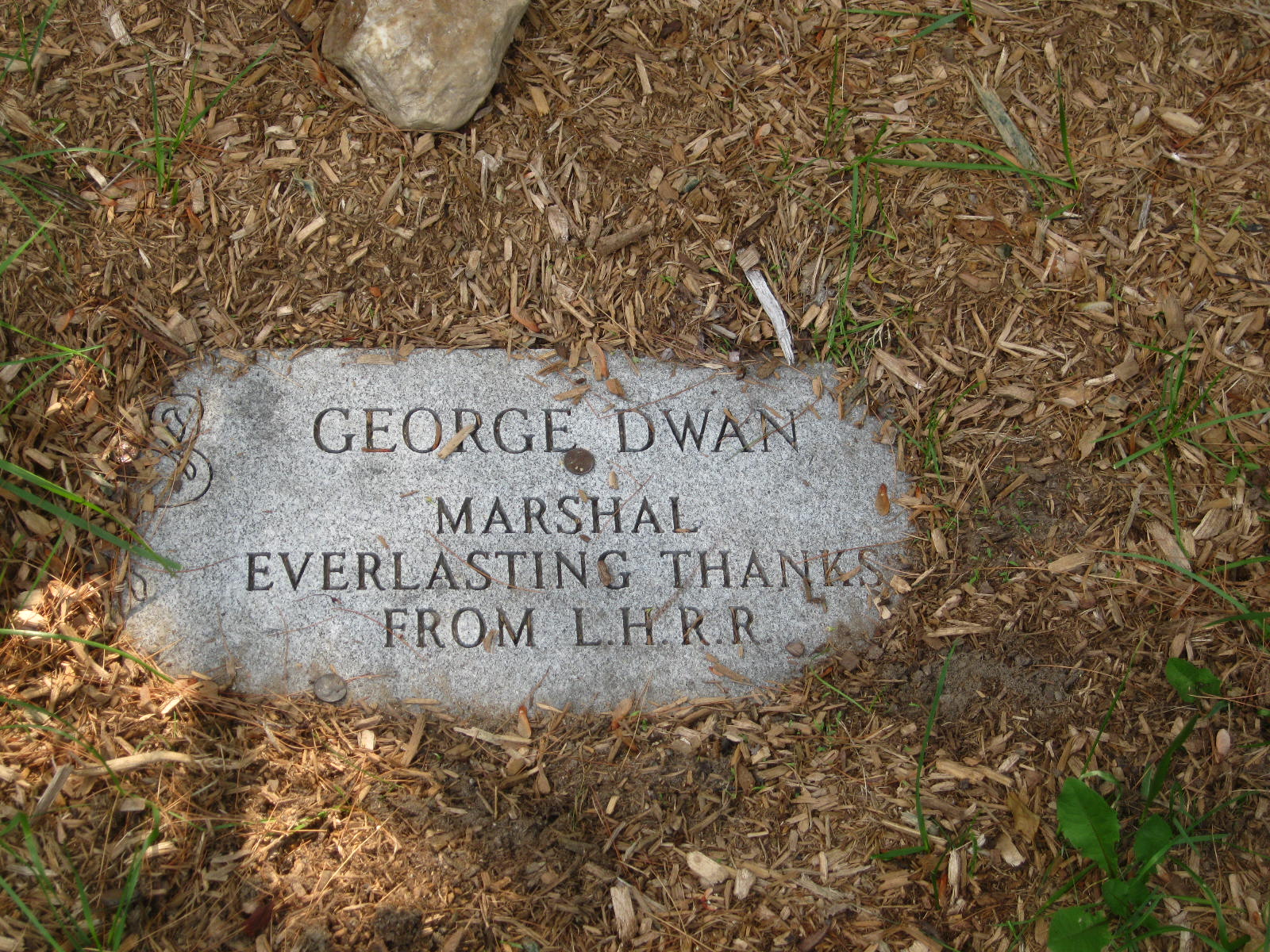
flamingoOne of the race’s notable volunteers was George Dwan, who served as race marshal at the site of Road Race park from the first race until his death in 2008.  With his friend Roberta Coffill Healy, Dwan would decorate the area with pink flamingos, silver Christmas trees, pinwheels, and other tacky trinkets.

LHRRWhen George passed away, Roberta continued the tradition with her husband Jack.  She also was instrumental in commemorating the work that Dwan and others put into the race.  On the Saturday before the 2009 race, Road Race Park was dedicated.  It consists of three large stones; those on the left and right are sitting stones.  The center stone is inscribed with the words of race co-founder (with Bill Neller) Joe Concannon, “A labor of love and a celebration of the community.”  On the back of the stone is a running beer mug, a reminder that a sense of fun has always pervaded the race.

DwanIn front of the stone is a marker honoring George Dwan’s service to the Litchfield Hill Road Race.  It is fitting that a flamingo sits in the marker’s upper left hand corner.

Special thanks to Roberta Coffill Healy for sharing her memories of George Dwan and the story of Road Race Park!
West Cemetery’s Civil War Effigy Graves

IMG_3402Memorial Day is an appropriate time to reflect on the staggering statistic that forty percent of all Union dead in the Civil War were unidentified.  While this was a marked improvement from the Mexican War fifteen years earlier – in which 100% of the American dead were buried in unmarked graves – it nonetheless posed a particular problem for Americans.

death-george-washington

The Death of George Washington – a classic representation of the idea of the “good death.”

Death held a central place in the culture of Victorian America.  Society dictated that there was such a thing as a “good death,” in which the deceased expired in his own home, surrounded by loved ones.  To such a religious society, the dying individual was closer to God, and therefore his final words were dutifully recorded as being of great importance.

TimeCivilWar_p139_Embalming_slideshow

A Civil War embalmer

The deaths of hundreds of thousands of Americans in the prime of their lives at great distances from their homes and families was therefore at variance with the notion of the “good death.”  While thousands of dollars were spent on embalming bodies to return them home for burial,  many families were left without even a place to mourn their fallen soldiers.

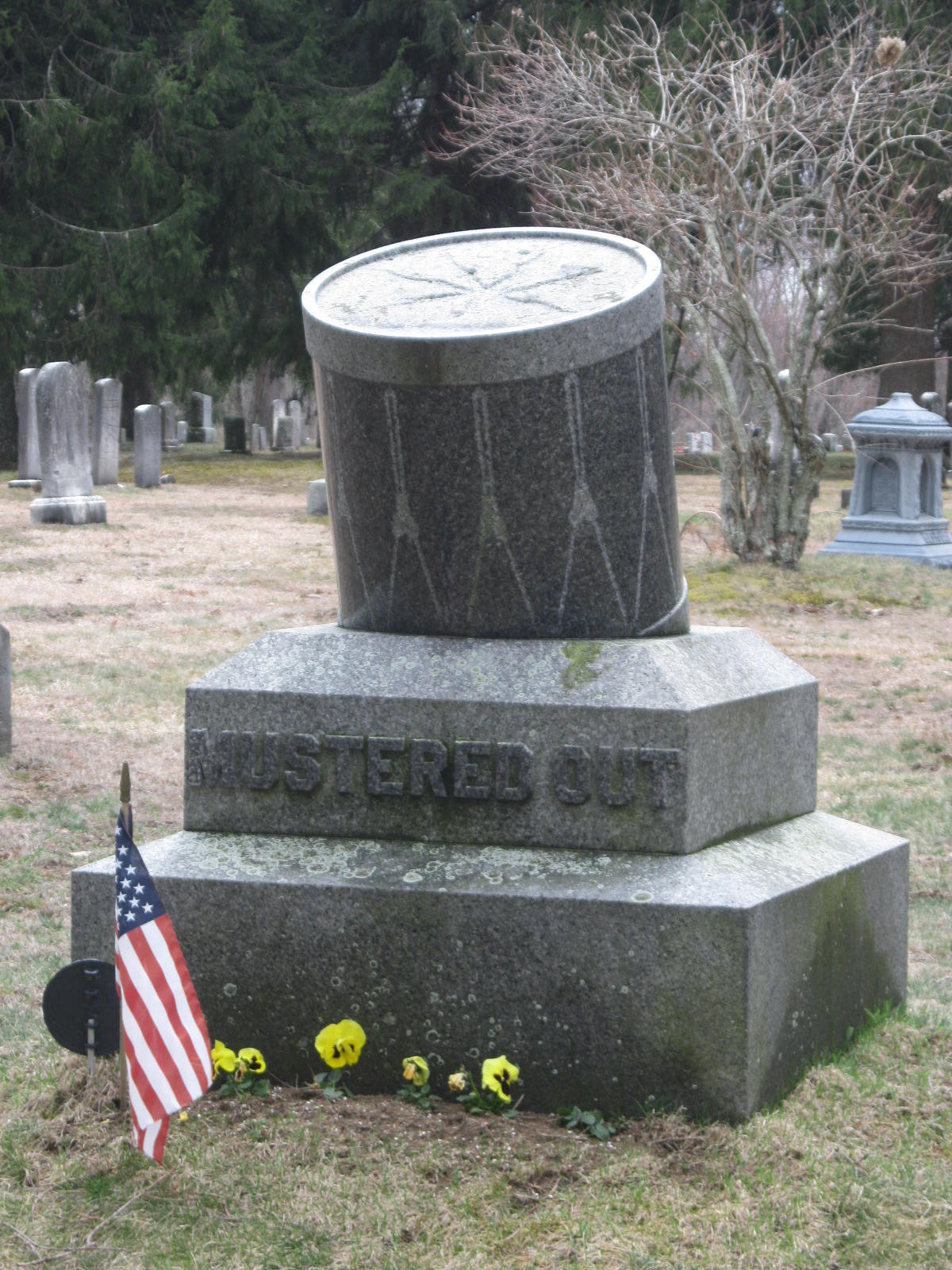
IMG_3403A solution was the effigy grave, a memorial stone for a victim whose body – because it was unidentifiable or for financial reasons – was unable to be returned home.  The Civil War graves grouped together in Litchfield’s West Cemetery (with a monument of a drum labeled “Mustered Out) are a good representation of these graves.

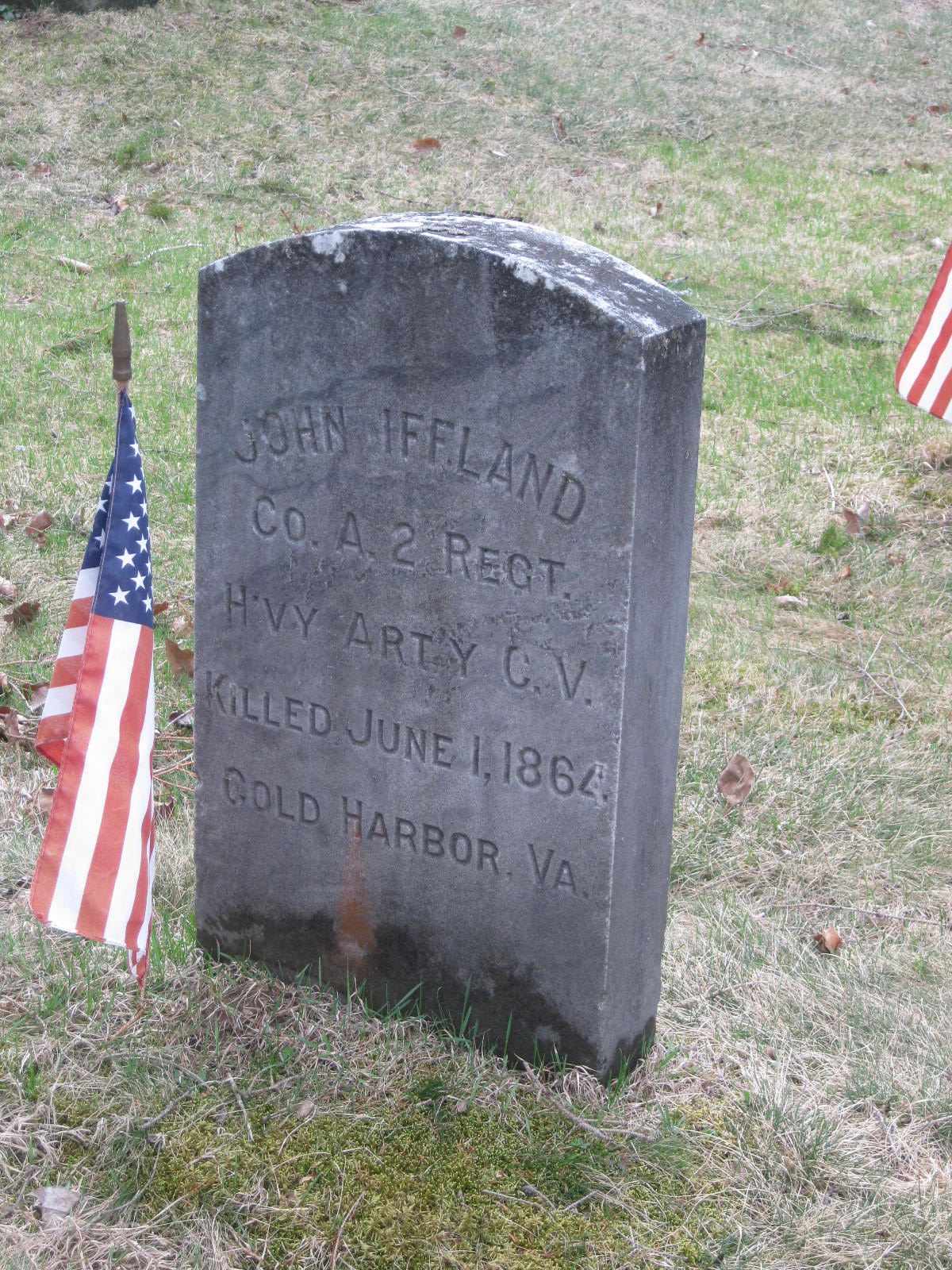
IMG_3405These men fought on some of the most famous battlefields of the Civil War.

IMG_3406Others suffered through unimaginable horrors in prisoner of war camps.

Perhaps these memorials gave some comfort to the families of these soldiers in the aftermath of the war.  One hundred and fifty years later, the stones continue to remind passersby of these soldiers’ service to our nation.

Hidden in Plain Sight: The Walking Tour!

OLYMPUS DIGITAL CAMERA

The Litchfield Historical Society is sponsoring a walking tour based on this blog on Saturday, May 18th, at 10:00 a.m.  We’ll explore some of the sites previously discussed on these pages and share thoughts about some that will appear in the future.  The tour will focus on sites on the Litchfield Green and nearby South Street.  Visit the historical society’s website – http://www.litchfieldhistoricalsociety.org – for more information and for registration.

Hope to see you on the tour!

Hidden Nearby: The King Grist Mill Marker in Morris

IMG_3281This monument, difficult to see as cars speed along Route 109 in Morris, marks the site of the King Family Grist Mill.  The grist mill was once a vital part of New England communities.  While we usually associate grist mills with grinding wheat into flour, that was not typically the case in New England.  Here, with our rocky soil, it was far more common for farmers to raise rye, corn and buckwheat to be milled.  In fact, white bread was considered to be a luxury.

Kings_Mill_on_the_Morris_Road

An undated image of King’s Grist Mill. Courtesy of the Connecticut Historical Society.

This particular grist mill, likely built in the 1830s, was initially run by the Loveland family, who operated the mill in Morris (then called South Plains) for nearly fifty years before it was taken over by the Kings.  In addition to grinding grains, the families also utilized water power to saw timber and for the fulling (cleaning)of cloth.  The mill was described by Marilyn Nichols (who wrote its history, likely around 1905) as being “one of the old landmarks and one of the more generally known throughout Litchfield County and other sections of the state.”  Nichols described its location as being “in one of the most romantic and beautiful valleys of Connecticut.”  In fact, Nichols wrote of one local artist who gained distinction – and $400 – by selling a painting of the mill at a New York studio.

100_3892_250x397-6sec

Diagram explaining the workings of a grist mill. Courtesy of National Park Service.

The Loveland/King mill utilized two circular stones to grind.   Traditionally, both stones would have grooves cut into them to act as teeth.  The grains would be poured over the bottom stone while water power was used to turn the top stone, grinding the grain into flour.  One bushel of grain typically yielded 35 pounds of flour.   Johnnycake was the most expensive product of the mill, as it required a special bolt made from silk, and it was a particular target of hungry mice.

ct_waterbury02

The milldam for the Loveland/King grist mill was destroyed to help create the Wigwam Reservoir for the city of Waterbury.

Farmers would bring their grains to the mill, and the milling usually took place while the farmer waited.  The Lovelands were known to operate their mill until midnight to accommodate the farmers.  Millers usually received a percentage of the grain as payment, and mills often served as commodity houses where grains and flour were traded.

IMG_3282Elijah King took possession of the grist mill sometime before 1874, and while he ran it successfully for some years, changes in farming techniques and the decline of old milling practices left him bankrupt.  In fact, the prevalence of wheat flour from the Midwest and the advent of gasoline-powered engines to mill grains on the farm for animal consumption prompted Nichols to write, “obsolete is the old grist mill in Connecticut.”  Few remnants of grist mills are visible in the state, and the only trace of the Loveland/King mill, once a vital part of the local economy in Litchfield County, is the marker placed by the King family along Route 109.

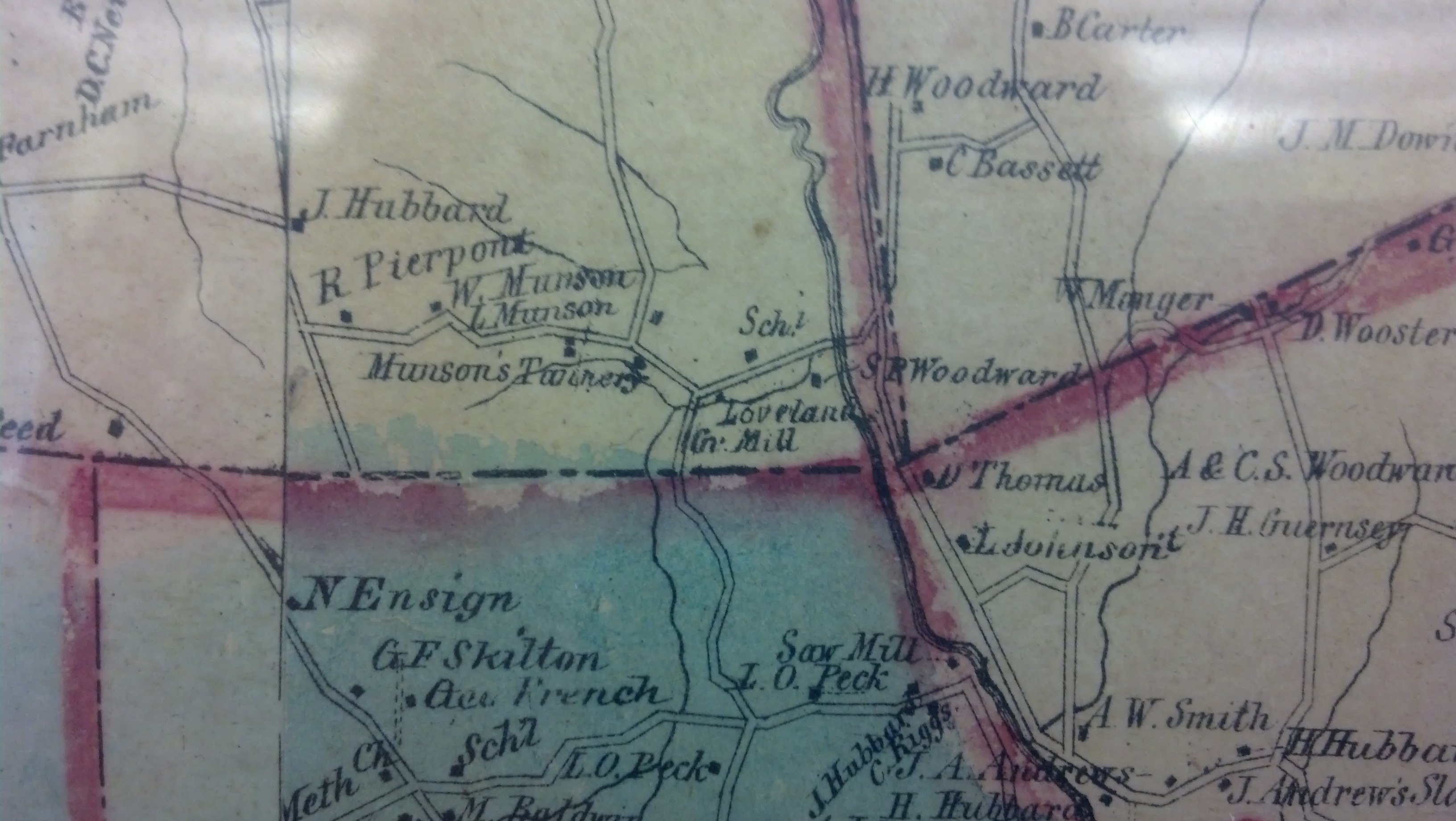
Update:  Below are two maps depicting the mill.  The first is Clark’s 1859 map designating the mill as Loveland’s mill.  The second is Beers’ 1874 map, showing that King owned the mill at that point.  Note also the numerous structures in the area compared to today.

Morris Detail

Clark’s 1859 map

MorrisDetail_Beers

Beers’ 1874 map. Thanks to Linda Hocking of the Litchfield Historical Society for supplying the images of these maps!

Much of this information came from Marilyn Nichols’ lecture, available at:  “Old Grist Mills Cease” (2010-367-0) Litchfield Historical Society, Helga J. Ingraham Memorial Library, P.O. Box 385, 7 South Street, Litchfield, Connecticut, 06759

The Northfield Knife Shop

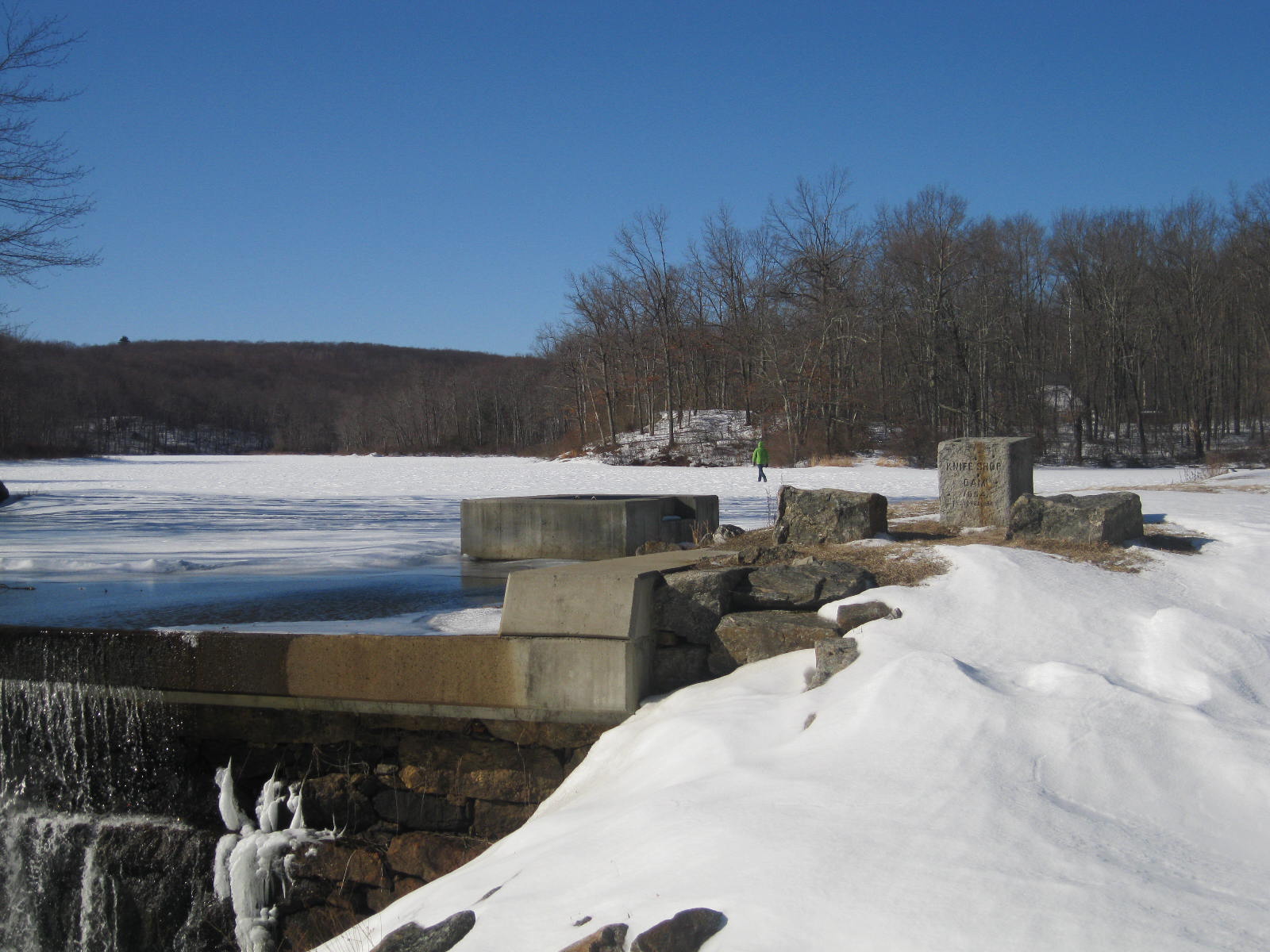
knife shop dam

A recurring theme of this blog has been that street names have a lot to tell us.

Mill pondSuch is the case with Northfield’s Knife Shop Road.  Here, on the Humiston (or Humaston) Brook mill pond, once stood Litchfield’s largest business.

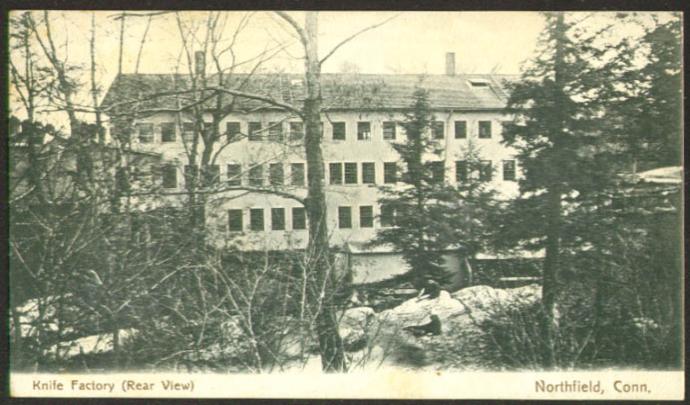
Northfield_Knife_Factory_Northfield_CT-690x405The Northfield Knife Company was established in 1858, taking advantage of the water power and access to the Naugatuck Railroad.  In the post-Civil War era the company produced over 12,000 knives per year.

000_2242It employed 120 workers, many of whom were highly trained experts from Sheffield, England, then world-renown for its excellence in steel-knife production.  (In fact, when a proposal was made in 1866 to incorporate Northfield as a separate town, one opponent argued before the state legislature that the English cutlers weren’t fit to be citizens of a town!)

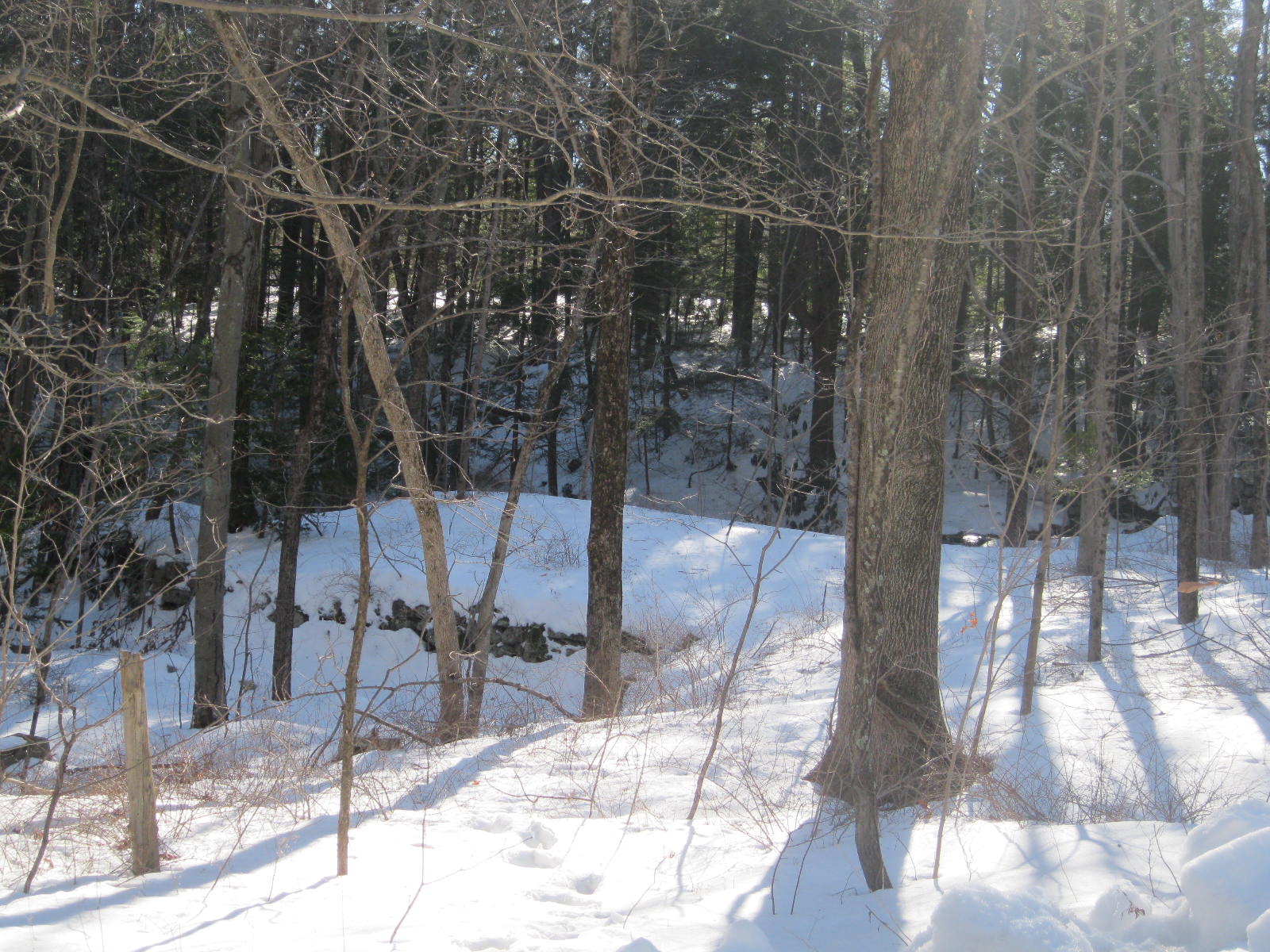
foundation

Foundation of the the knife shop complex.

The mill dam brought other businesses to Northfield as well, most prominently a feed and fertilizer mill run by Jeremiah Peck.  The growth of these two businesses led to a corresponding growth in Northfield’s population, and factory housing appeared in town.  In 1865, for example, the Northfield Knife Company spent $5,000 to erect five homes for employees on Main Street.

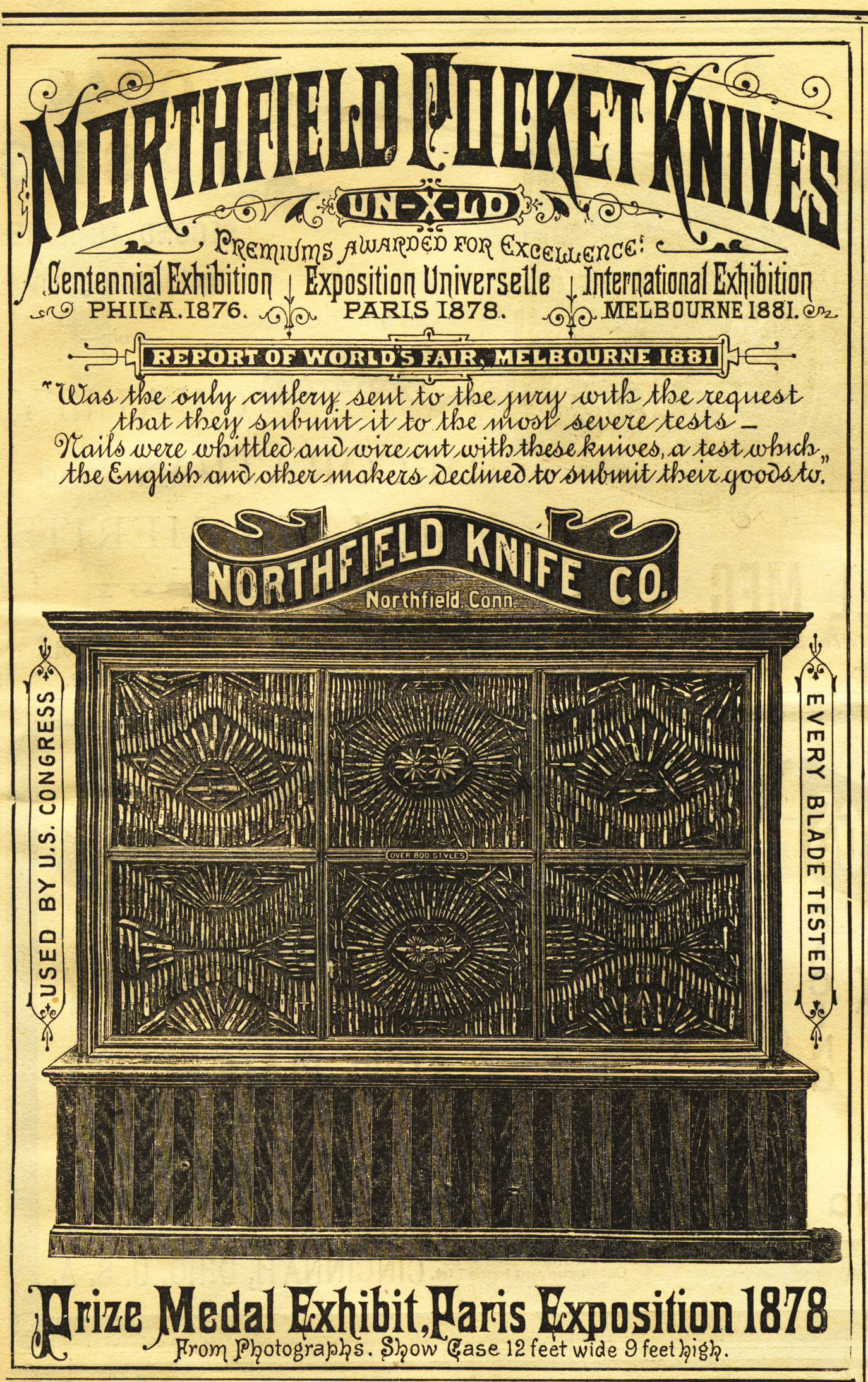
northfieldknifeoct41884ironageadNorthfield knives live on as Northfield UN-X-LD, a division of Great Eastern Cutlery.  Today they are made in Titusville, Pennsylvania.  The mill pond in Northfield remains, however, testimony to the industrial heritage of this area and to the Northfield Knife Company, an internationally-known business whose knives were featured at the 1893 World’s Columbian Exposition in Chicago.

Much of the information presented on Northfield’s industrial history is derived from Rachel Carley’s excellent  Litchfield:  The Making of a New England Town.

Northfield’s Civil War Monument

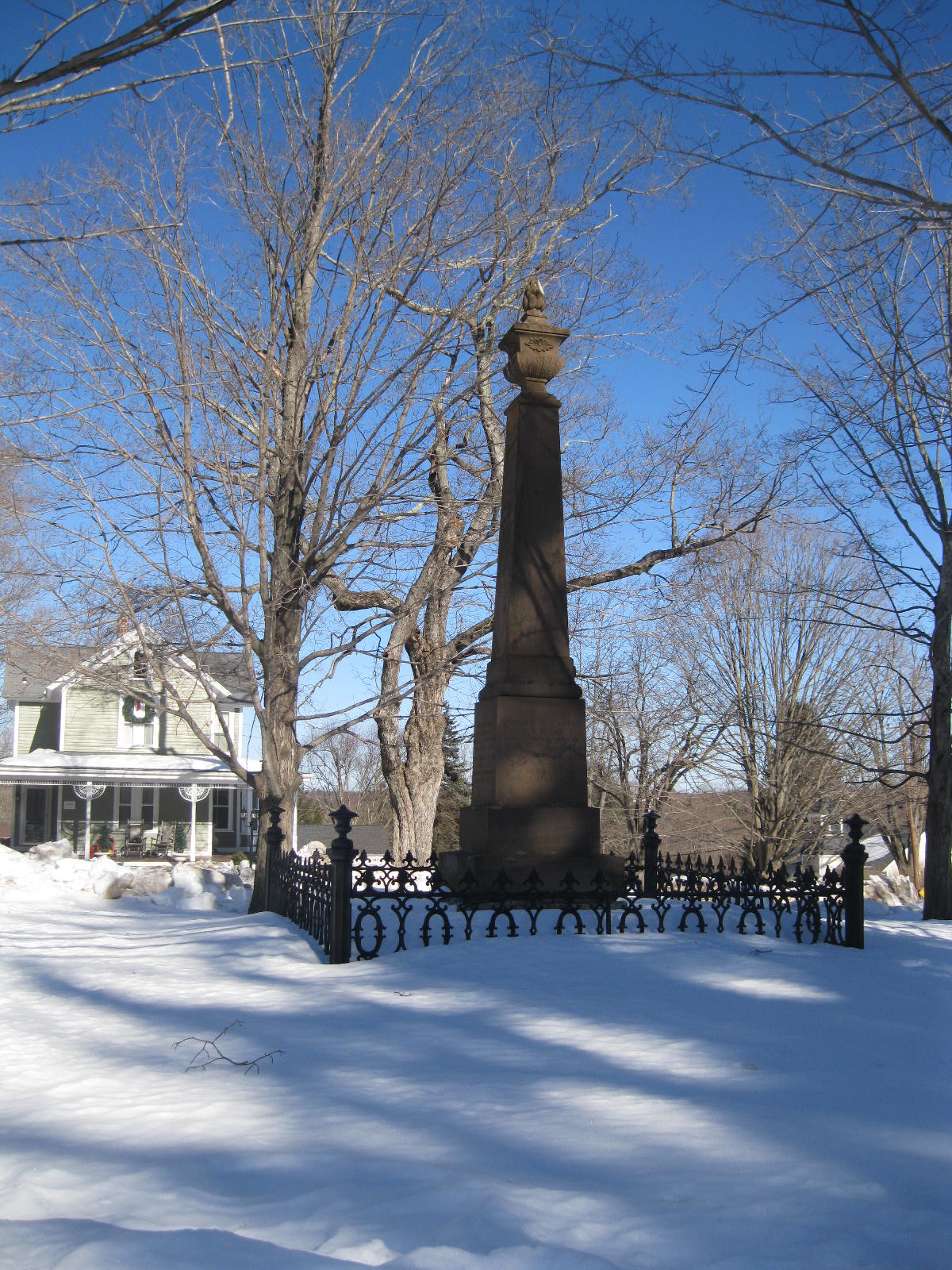
northfield monumentIn the center of Northfield’s small triangular green sits the borough’s Civil War monument.  While notable for the beautiful flame finial at its top, what really makes this monument remarkable is the story of its origin.

names 2Looking to memorialize the men from Northfield who died during the war, a committee was chosen from a public meeting held at Northfield’s center schoolhouse on January 16, 1866.

names 3This was only nine months after Lee’s surrender at Appomattox, making this one of the oldest Civil War monuments in the country.

flame finialThe site was chosen because it the Episcopal church had recently moved.  Nelson Bolles of Marbledale executed a design for a brownstone obelisk, and a team of thirteen oxen driven by Northfield resident Joel Thorpe brought the monument to Northfield.  Julius Grover, a sculptor whose niece lived in Northfield, carved the remarkable flame finial, which perhaps serves as an eternal flame, reminding future generations of the sacrifices of Northfield’s men in the Civil War.

lincolnThe names of the dead are carved on three sides of the monument, and are joined by the name “LINCOLN”, whose assassination was still fresh in people’s minds.  Also carved on the monument are the words “That the generations to come might know them,” taken from Psalm 78.

names 1

The men listed on the Northfield monument are:
Morton Castle, died of wounds received at the Battle of Antietam
Charles Castle, died in a Virginia hospital
Horace Hubbard, killed at Winchester
Hiram Cooley, killed at Winchester
David Wooster, killed at Fisher’s Hill
Walter Hale, killed at Chancellorsville
Joseph Camp, killed at Cold Harbor
Henry Miner, died in a Virginia hospital
Apollos Morse, killed at Cold Harbor

flame finialWhile the committee hoped the monument would be in place by July 4th, 1866 (the nation’s 90th birthday), delays postponed the dedication until September.    Still, Northfield’s monument was dedicated eight years before Litchfield’s Civil War monument, and twenty years ahead of the nationwide movement to memorialize its Civil War dead.

(NOTE:  The Civil War monument in Berlin, Connecticut, erected in July 1863, is believed to be the oldest in the country.  See The Hartford Courant, March 24, 2013.)