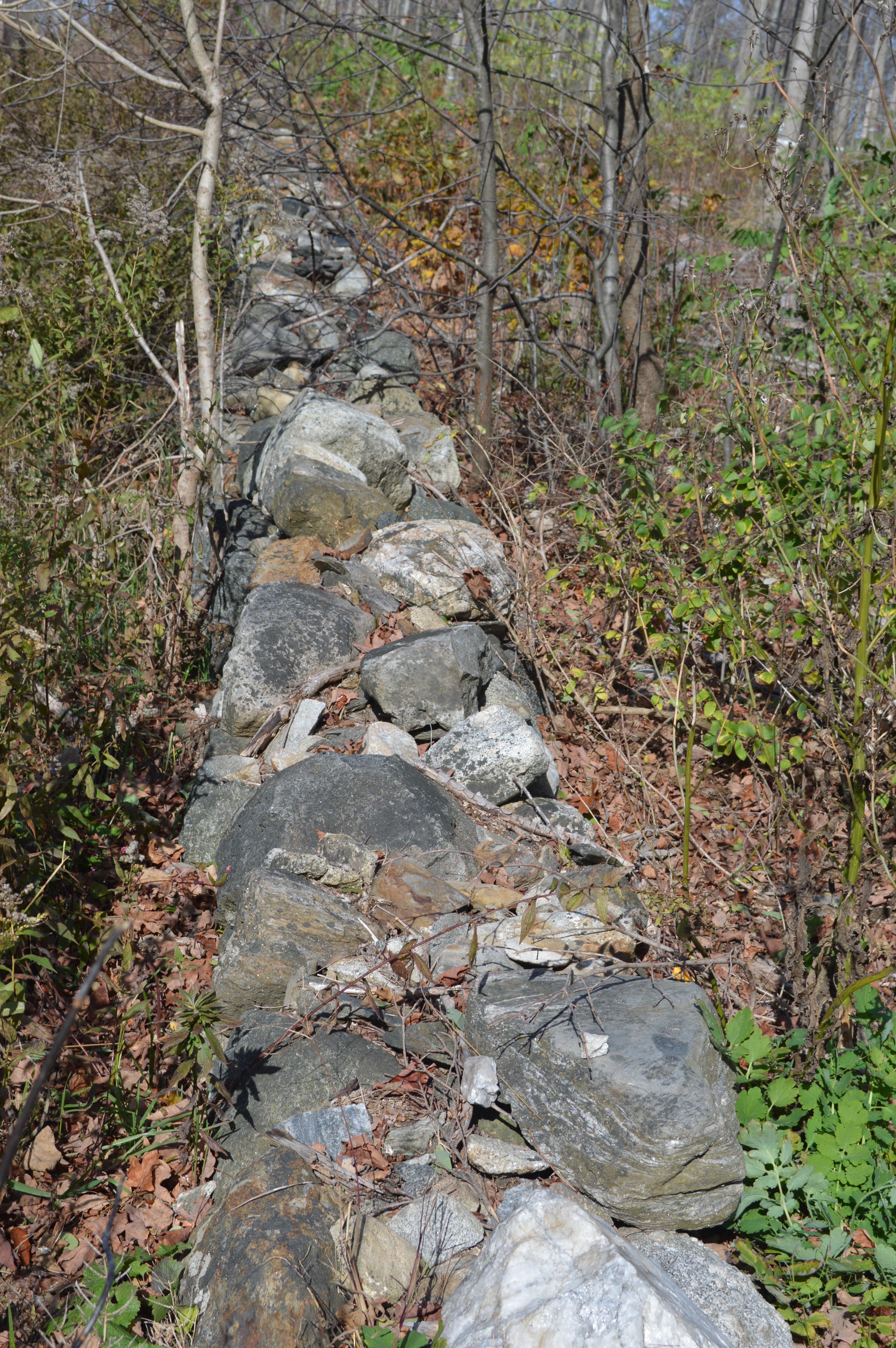
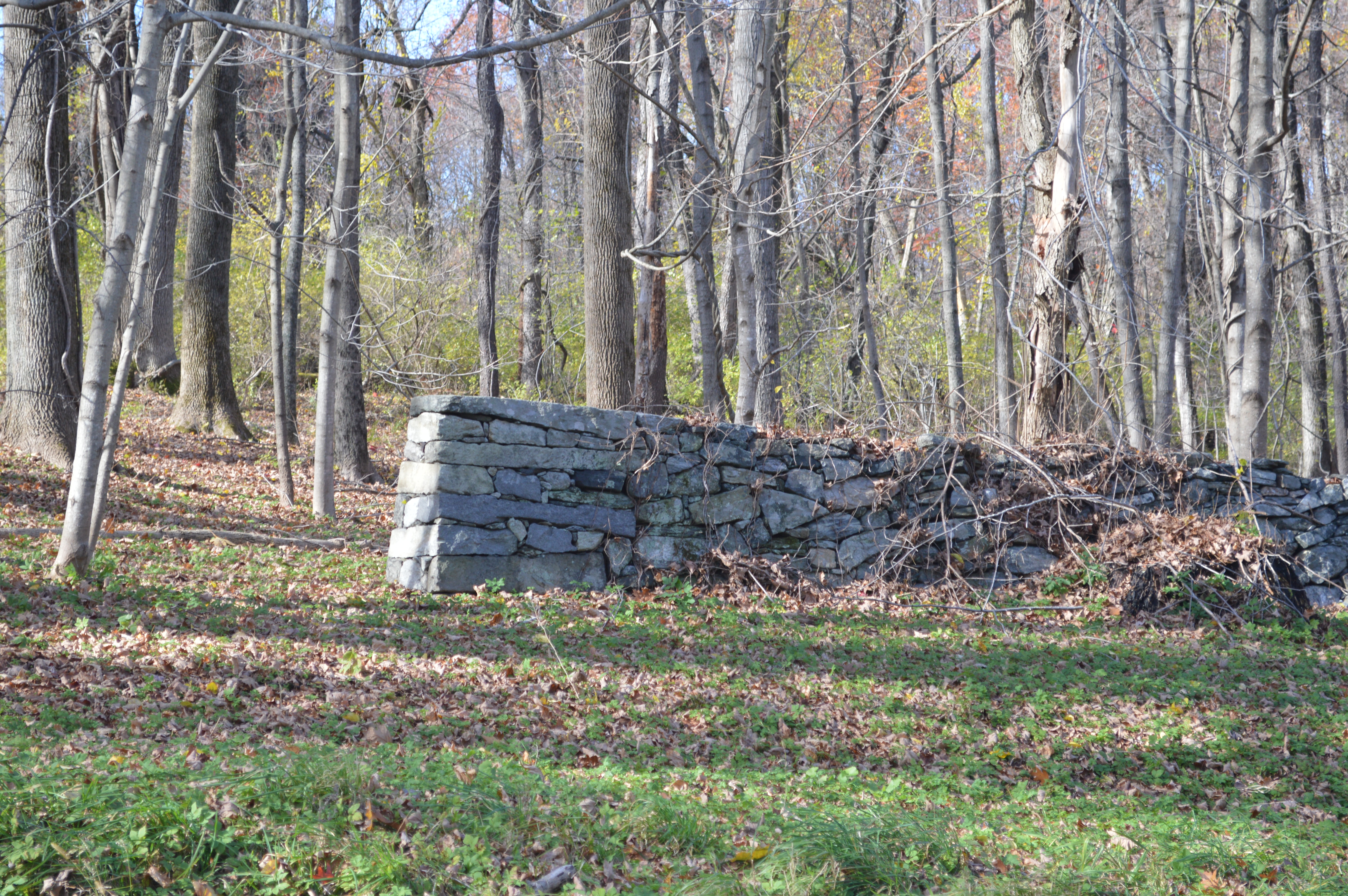
Hidden Nearby: An Autumn Walk Along the CCC Road at Macedonia State Park

Camp Macedonia Brook operated as a base for the Civilian Conservation Corps from 1933 to 1936, during the New Deal. The camp was charged with building a new road to Macedonia Brook State Park and a road to the top of Kent Falls. The road to Macedonia, which still exists, was especially difficult, requiring many cuts into the rocks and filling. The New York, New Haven, and Hartford Railroad ran alongside the camp, allowing for direct delivery of supplies. The men of the camp were also involved in flood relief during the 1936 floods of the Housatonic.

Fall is a wonderful time to explore the history of Litchfield County. At Macedonia State Park, a road built by the Civilian Conservation Corps during the Great Depression offers insights into the area's history.

Fall is a wonderful time to explore the history of Litchfield County. At Macedonia State Park, a road built by the Civilian Conservation Corps during the Great Depression offers insights into the area’s history.

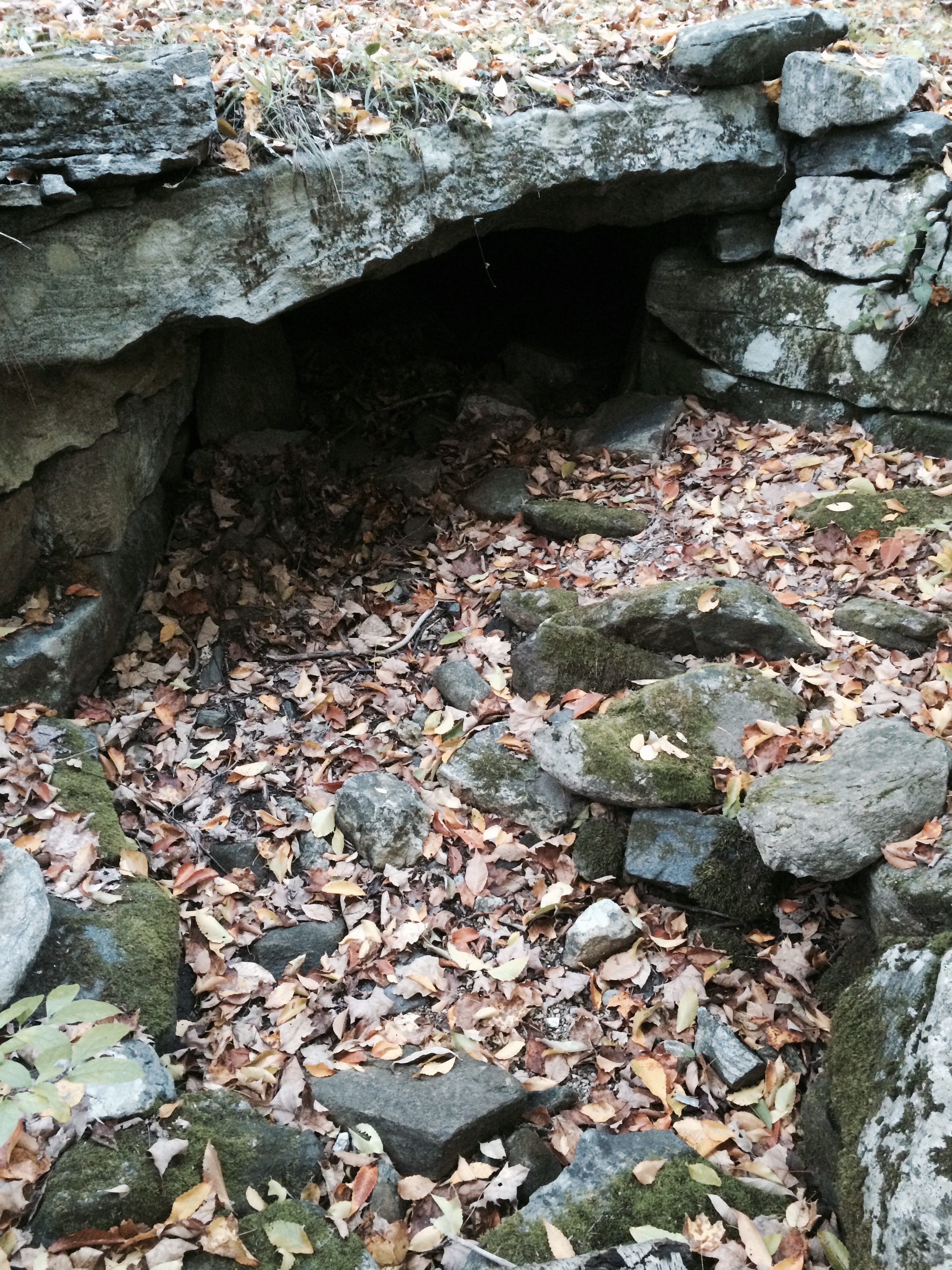
An old grindstone can be seen along the roadside, certainly pre-dating the CCC.

An old grindstone can be seen along the roadside, certainly pre-dating the CCC.

The explorer can appreciate the beauty of the CCC's stonewalls. The CCC was established by the Roosevelt Administration as a New Deal agency to both protect the environment and give work to 18-24 year old men.

The explorer can appreciate the beauty of the CCC’s stonewalls. The CCC was established by the Roosevelt Administration as a New Deal agency to both protect the environment and give work to 18-24 year old men.

drainage

The above two photographs provide a glimpse into the drainage system developed by the CCC. Even after a heavy rainfall the previous day, the road was dry.

The two photographs above provide a glimpse into the drainage system developed by the CCC. Even after a heavy rainfall the previous day, the road was dry.

CCC members cut rocks to crate the roadwa.

CCC members cut rocks to create the roadway.

Where the men didn't build stonewalls, they put coping stones in place to serve as guardrails.

Where the men didn’t build stonewalls, they put coping stones in place to serve as guardrails.

IMG_2731IMG_2733

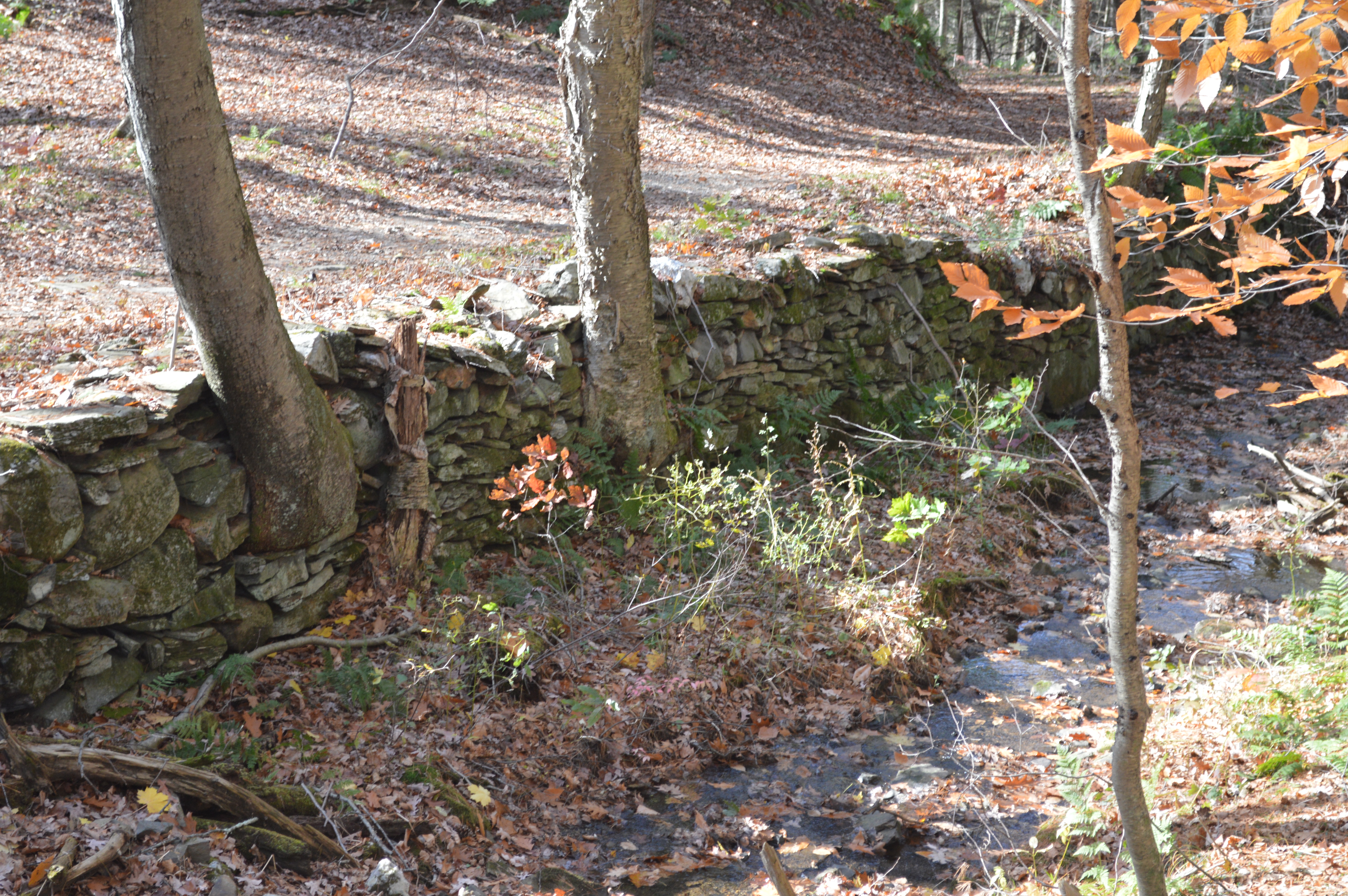
A true appreciation for the scope of the work done by the CCC can be gained by examining the sheer size of the road's retaining walls.

A true appreciation for the scope of the work done by the CCC can be gained by examining the sheer size of the road’s retaining walls.

60 Years Ago: The Flood of 1955

The Prospect Street bridge over the Naugatuck River in Torrington (Connecticuthistory.org)

The Prospect Street bridge over the Naugatuck River in Torrington (Connecticuthistory.org)

The Flood of 1955, the worst natural disaster in Connecticut history, resulted from the approximately two feet of rain dropped by Hurricanes Connie and Diane that August. Low-lying areas were already flooded on the morning of August 18th when the second storm dumped fourteen more inches that afternoon and on August 19th. The Housatonic stood at 24.5 feet deep and the Mad and Still Rivers in Winsted raged at 50 miles per hour.  In Torrington, the Naugatuck River, so peaceful looking today, swept away lumber, rocks, even buildings. Stores along East Main Street were filled with six feet of water. The city suffered an estimated $22 million dollars in damage.

Memorial to flood victims in Winsted

Memorial to flood victims in Winsted

A similar scene played out in Winsted, while the Shepaug River carried away an apartment building in Washington Depot.  Concrete sections of Route 44 were washed away and across the county, Bailey bridges – made famous during World War II – were used to provide temporary river crossings.  Twenty-five helicopters searched for survivors or dropped clean food and water.  Statewide, 87 people were killed, and over 8,000 buildings were damaged or destroyed. Twenty five of the dead were from Litchfield County. Memorials stand in Torrington and Winsted to those who lost their lives.

American Brass factory, Torrington

American Brass factory, Torrington

Extraordinary acts of heroism by police, firemen, and ordinary citizens kept the death toll from growing. In its August 26th, 1955 edition the Torrington Register proclaimed, “So numerous were the many acts of heroism, rescue of the sick and invalid, neighbors’ concern for neighbors, that it would impossible to chronicle them without slighting someone deserving of great credit.

dam

Thomaston Dam

In addition to severely (in some places irreparably) damaging the state’s industrial infrastructure, the floods forced the Army Corps of Engineers to take action so that such a disaster never happened again.  The army constructed the Thomaston Dam (1960), Northfield Brook Dam (1965), and Colebrook Dam (1969), at a cost of $70 million.  The Naugatuck River, with its many tributaries, had been especially prone to flooding and the dams constructed along that river provided over 77,000 acres of flood capacity, while returning over 1,000 acres to forest.  This protection came at a price as construction displaced the communities of Fluteville and Campville in Litchfield.  Still, it is perhaps fortunate that the traveler through Torrington today has difficulty in imagining the destructive power of the now-controlled Naugatuck River. 

Please see “The Lost,” a special section of the Hartford Courant for tributes to those who died in the Flood of 1955: http://www.courant.com/news/connecticut/hc-55flood-casualties-htmlstory.html

Also see the Torrington Register-Citizen’s photo archive of the flood: https://picasaweb.google.com/lh/albumMap?uname=kaitlynmyeager&aid=5547678124797887025#map

The Blizzard of 1888

With Litchfield stuck in a weather pattern that seems to bring more snow every day, perhaps a look back at the great Blizzard of 1888 is in order.

Drifted snow at Dr. Buel's house on North Street, Litchfield, 1888.  Courtesy of Litchfield Historical Society.

Drifted snow at Dr. Buel’s house on North Street, Litchfield, 1888. Courtesy of Litchfield Historical Society.

With little in the way of accurate meteorological predictions, the blizzard came as a surprise to the Northeast on Sunday, March 11, 1888.  It had been an unusually warm winter, and that day dawned with rain.  It soon turned to hail, then sleet, then ultimately snow.  Bitter cold and high winds set in, and the snow continued for three days.  When it all stopped, between 20 and 50 inches of snow had fallen in Connecticut, with drifts of 12 feet not uncommon.  (One drift in New Haven reached 40 feet high!)  The storm resulted in more than 400 deaths and an estimated $20 million worth of damage.

Dr. Buel's house after the snow had melted.  One source says the snow was melted within ten days; another says the last of the drifts didn't melt until June! Courtesy of Litchfield Historical Society.

Dr. Buel’s house after the snow had melted. One source says the snow was melted within ten days; another says the last of the drifts didn’t melt until June! Courtesy of Litchfield Historical Society.

The following are excerpts about the blizzard from the Litchfield Enquirer:

March 12th – “The wind blew a perfect blizzard all day and the drifting and falling snow made even main streets almost impassable Monday night the storm continued with increasing fury and buildings rocked as though in a storm at sea.”

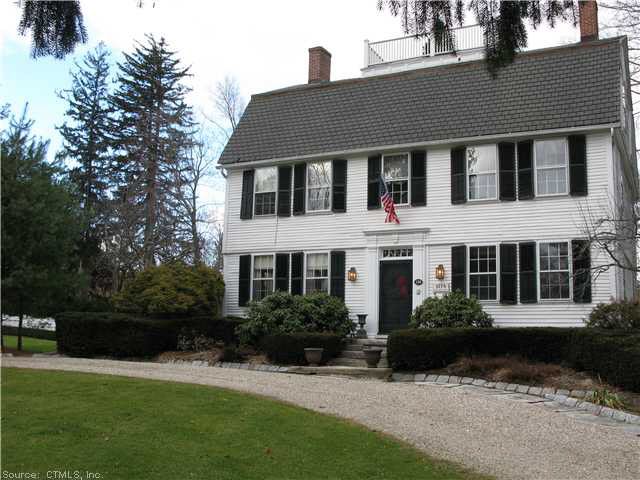
A modern view of Dr. Buel's house.

A modern view of Dr. Buel’s house.

March 13th – “On Tuesday morning the wind had lessened though still blowing a gale with the thermometer at or near zero. The most remarkable drifts are at Dr. [H. W.] Buel‘s. One, a little west of the house, about 20 feet, to a level with the eaves. There is an addition on the west of Dr. Buel‘s house, reaching- about to the eaves, which is almost completely covered by the snow, so that our reporter, walking- along the top of the drift, passed completely over the roof of this part of the house, and down on the northern side. There is a drift on the east which is even higher, shutting up one of the library windows completely, and reaching nearly to the top of one of the large firs which form a hedge on that side of the house.

March 14th – “The wind is northeast and considerable snow is still falling. People are about on snow shoes skees (sic) and snow shoes extemporized out of boards some carrying groceries to those in great want. Little business is doing. Most of the stores are closed. A few are open with people standing about comparing notes about tunneling to their woodsheds drifts over second story windows and other marvels of the great storm.”

The Lake Station, Bantam.  Courtesy of White Memorial Foundation.

The Lake Station, Bantam. Courtesy of White Memorial Foundation.

The Shepaug Railroad was out of service until March 16th. A railroad cut near the Lake Station (today the Cove in Bantam) was filled with a drift 22 feet deep!

And all this snow needed to be removed from the transportation network without the benefit of modern plows!

Topsmead State Forest

DSC_1320

A modern visitor to the Topsmead State Forest may think he or she has stepped into a Harry Potter novel.  The English cottage at the hilltop – the name means “top of the meadow” – is reminiscent of the Weasley clan’s home in J.K. Rowling’s novels.  The home and grounds, however, are reminders of an important era of the region’s history. Topsmead was the summer home of Edith Morton Chase and her companions, Mary and Lucy Burrall.

OLYMPUS DIGITAL CAMERA

The former headquarters of Chase Brass and Copper, designed by Cass Gilbert who also designed the Woolworth Building in New York and the Supreme Court building in Washington, DC.

Ms. Chase was the daughter of Henry Sabin Chase, the first president of Chase Brass and Copper Company, founded in Waterbury in 1876. The company became one of the most profitable businesses in the city, and Chase hired the noted architect Cass Gilbert to design the corporate headquarters across the street from Waterbury’s City Hall. Shortly before his death in 1917, Chase purchased 16 acres on East Litchfield’s Jefferson Hill as a gift for his daughter, who built a small cottage on the grounds.  Over the next 55 years, Edith Chase made twenty-four additional land purchases, enlarging the estate to 511 acres. Ms. Chase hired architect Richard Henry Dana, Jr.  (who designed the main building of St. Margaret McTernan’s school, established by Henry Chase and now called Chase Collegiate) to create a grander house.  Dana designed a structure in the English Tudor style, with brick and stucco walls, and a slate roof.  The interior walls are oak and stucco, and the house was decorated with 17th century antiques.

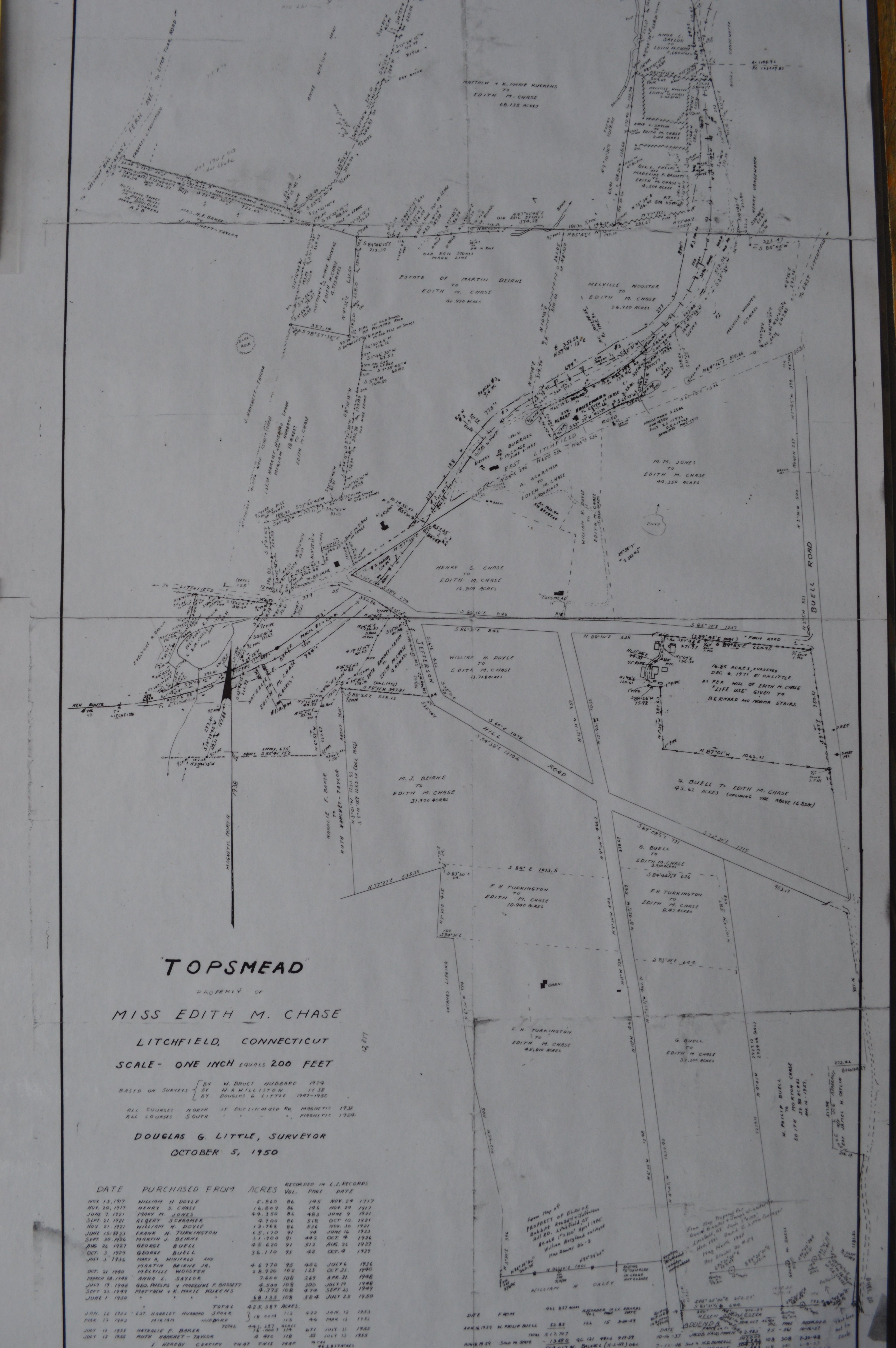
Property map of Topsmead, displayed at the site.

Property map of Topsmead, displayed at the site.

Edith Chase was a lover of the outdoors and she paid great attention to the landscaping.  Formal gardens surround the house, apple trees line the driveway, and holly and lilac grow against the house. In 1927, Ms. Chase purchased the adjoining Buell Farm, which was used to produce the estate’s food, with vegetable gardens, dairy operations, and beef, hogs, sheep, and poultry.

The Topsmead meadow in winter, a wonderful spot for snowshoeing or cross-country skiing.

The Topsmead meadow in winter, a wonderful spot for snowshoeing or cross-country skiing.

Edith Morton Chase died in 1972 and willed her estate to the people of Connecticut.  It was renamed Topsmead State Forest, and thanks to an endowment left by Chase it preserves much of the estate as it appeared at her death.  Particularly significant is the meadow, which preserves a landscape that has been lost in much of Connecticut.

Stone Walls

DSC_1017

With the leaves off the trees fall is a great time to explore the stone walls of White Memorial. There is, perhaps, no better-known example of man’s reshaping of the Litchfield County landscape than stone walls. Robert Thorson, author of the superb history of these creations, Stone by Stone, wrote that “abandoned stone walls are the signatures of rural New England, the “relics of a vanished agricultural civilization.”

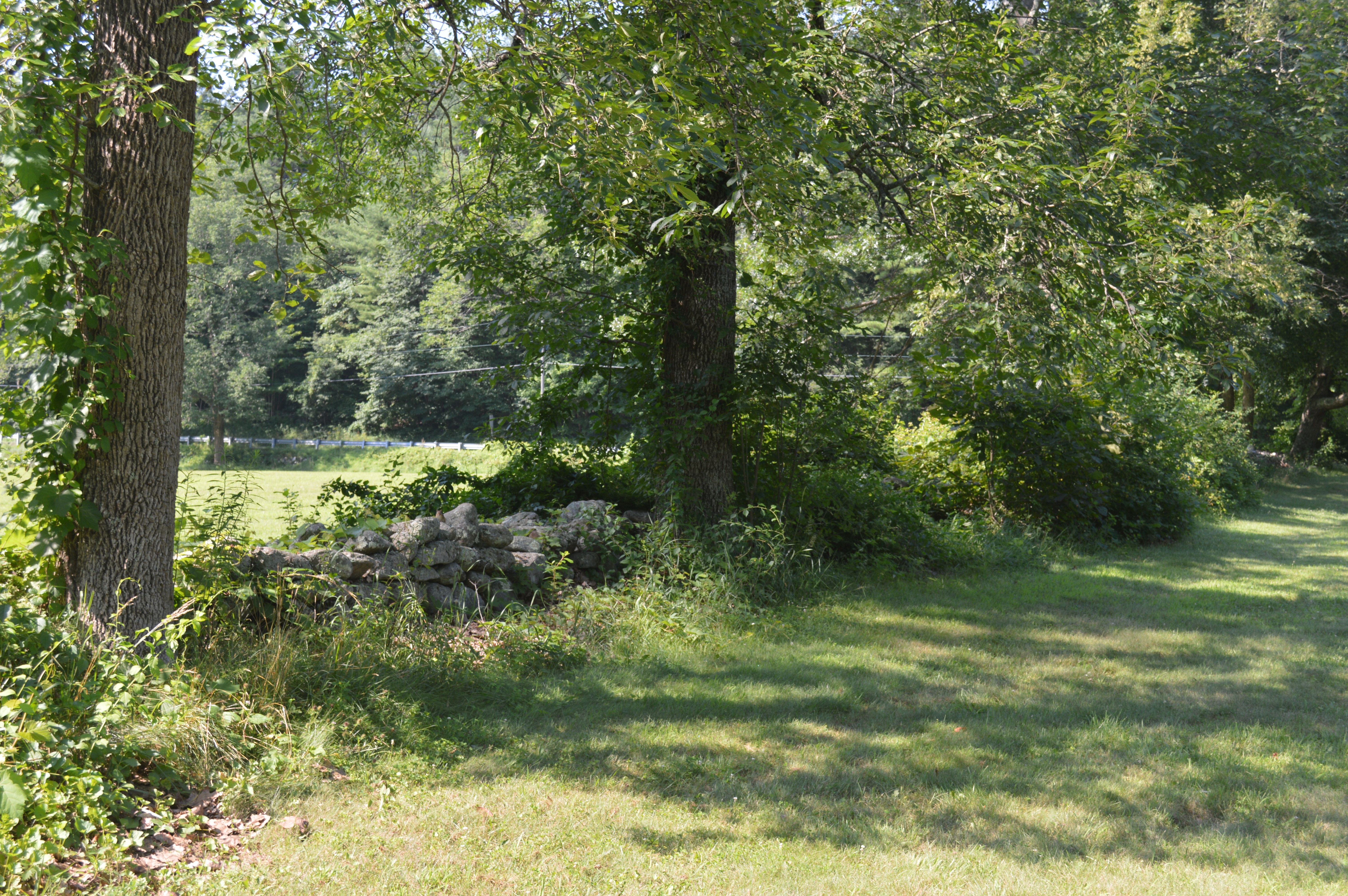
Perhaps there is no better metaphor for the history of Litchfield County than its ubiquitous stone walls. Constructed from colonial times through the middle of the nineteenth century, they stand as testimony to the intrepid early settlers who cleared the land in the hopes of making a living from the county’s soil. In plowing their fields, they utilized these unwanted stones to dam streams, mark roadways and property boundaries and pen in livestock. Yet the explorer is struck to find these vestiges of an earlier time in the county’s deepest forests, an indication that this land was once cleared and worked but has since been reclaimed by forests as lifeways in the county changed.

DSC_1015

The stones that form these walls were deposited by the Laurentide Ice Shield 15,000 to 30,000 years ago, which scraped down to New England’s bedrock and scattered billions of stones across the region. Initially, the earliest stonewalls were built from stones obtained from quarries. The “Little Ice Age” of the 18th century, however worked stones to the surface through deep freezes and the erosion caused by spring runoffs. Thus, the clearing of stones from pastures and fields became an annual spring ritual. Farmers brought these stones to the fences that lined their properties, often by hand or by sleds pulled by oxen. Over time, these piles were reworked into more architecturally-significant structures as the supply of labor on farms grew.  Eventually the walls shaped the landscape by forcing rain to different streams or building up soils.

DSC_1033

Stone walls served several purposes for farmers. When the communal land practices of the earliest colonial days shifted to a philosophy of individually owned land, stone walls were used to define boundaries. Farmers often piled stones until they reached the lowest level of a split rail fence.  Stone pens were utilized for what Thorson has termed the “strategic dropping of manure” for use as fertilizer. Elaborate stone walls were utilized as status symbols. More than anything, however, stone walls were simply ways to dump stones that were obstacles to farmers in their fields.

New England farmers built five principal types of stone walls. These are:

DSC_1014

Dumped Wall – A simple line of piled stones.

DSC_1026

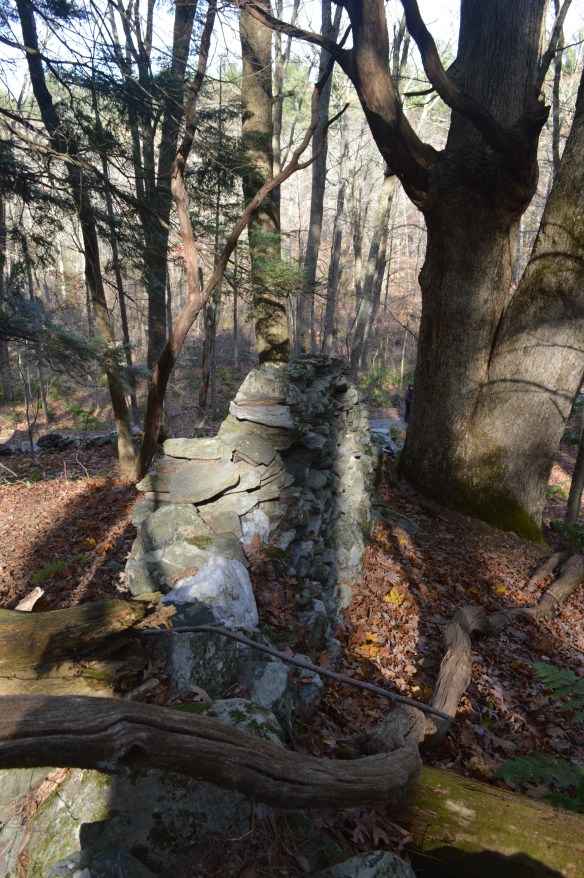
Tossed Wall – With stones stacked like firewood, this is the most common of       stone walls. It required a bit more attention that the dumped wall.
DSC_1023

 Single Wall – stones piled on top of each other. These were used to surround pastures.

DSC_1011

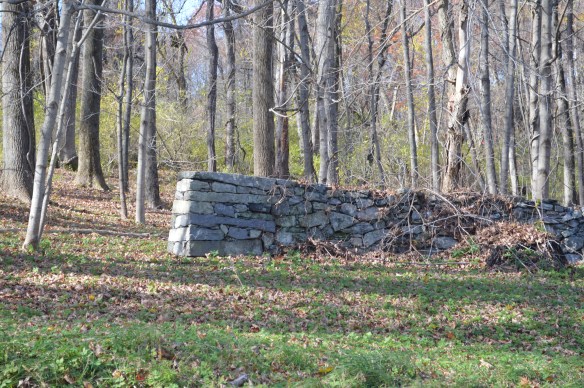
Double Wall – Parallel walls with smaller stones used to fill in between.
DSC_1028

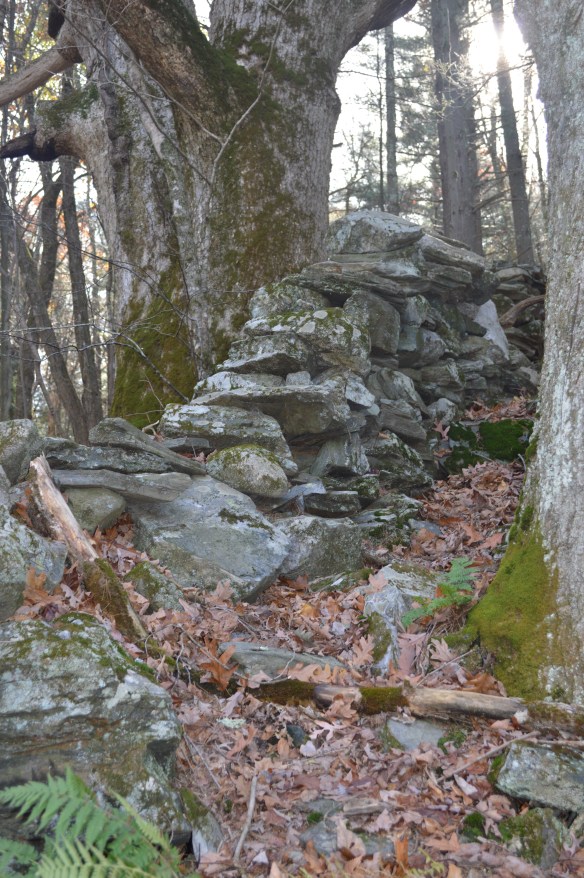
Laid Wall – Featured stones in a “weave” pattern.
DSC_1019

A 1939 study estimated that there were 240,000 miles of stone walls in New England, which contained more stone than the remaining monuments of the ancient world put together. Unfortunately, Connecticut (unlike Massachusetts and New Hampshire) has no law that protects its stone walls, and they are slowly falling victim to bulldozers or being quarried for new stonework.
Monuments to the Great War

2013-11-29 14.59.06

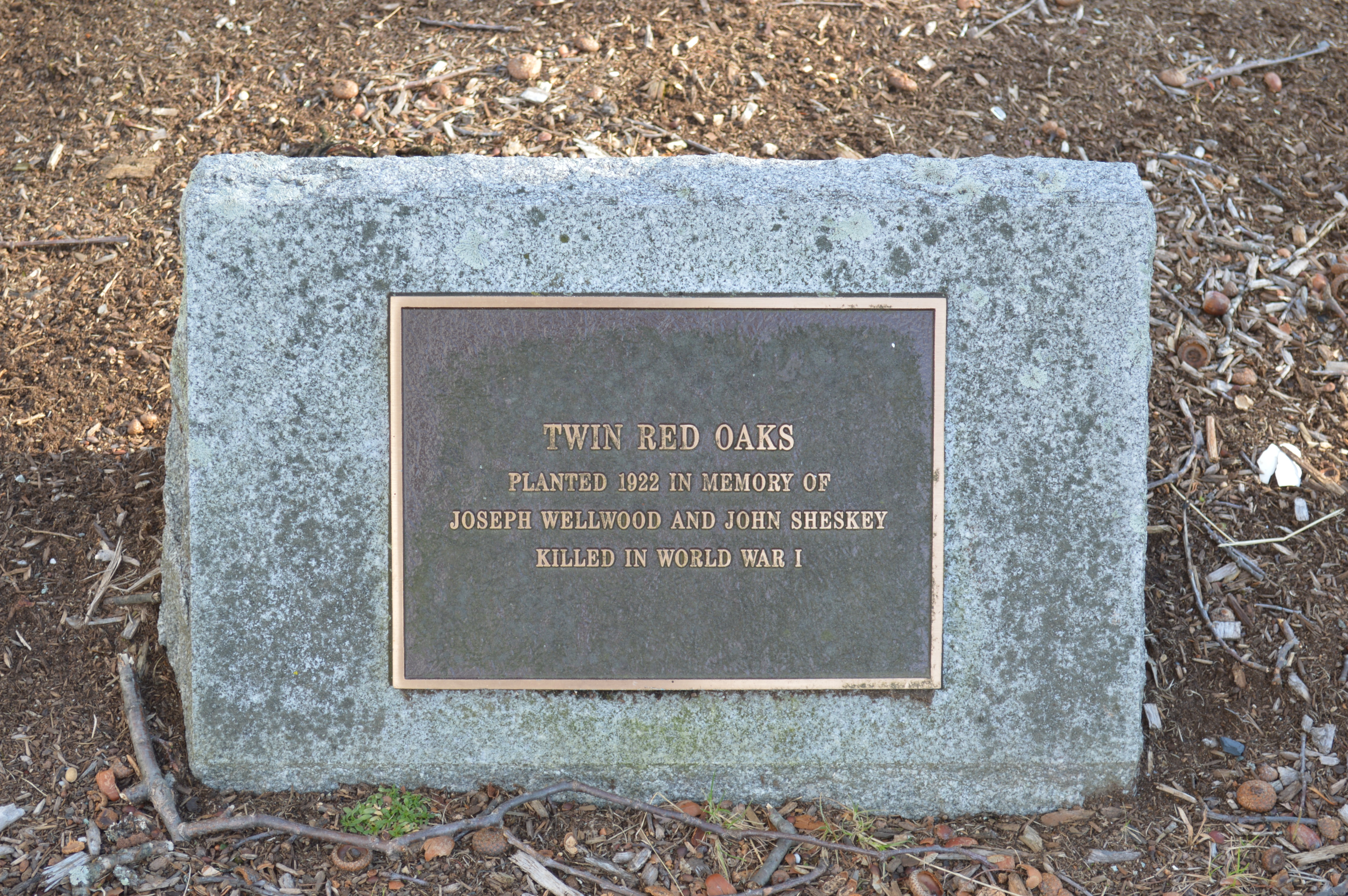
This summer marks the 100th anniversary of the beginning of World War I. The global conflagration, which resulted in nearly 20 million deaths, had an impact on the small towns of Litchfield County. The above photograph shows two red oaks in front of the Bridgewater town hall. They were planted in 1922 in memory of two town residents who lost their lives in the war, Joseph Wellwood and John Sheskey.

 2013-11-29 14.58.50

Wellwood, 21 years old, enlisted in May 1917 and was assigned to an ambulance company. Sent to Kansas for training, he died there of scarlet fever in February 1918. Shesky was killed during an artillery barrage at the Battle of Vesle on September 3, 1918, a bit more than two months before the end of the war.

 litchmon

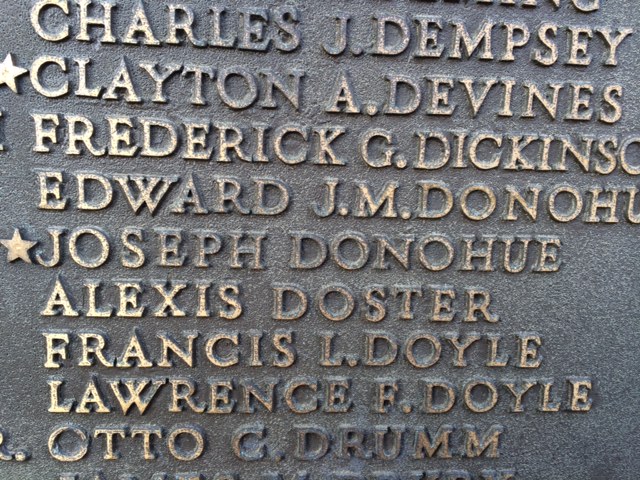
Many of the towns in the county have monuments commemorating their dead from the Great War, or the World War; those who put up these monuments in the 1920s and 20s had no inkling that another world war was approaching. Typical of these monuments is the monument on the Litchfield green. Stars denote those who died in the war.

 dono

However, a close examination of the Litchfield monument reveals that these stars were perhaps added to the monument later, with holes being drilled into the bronze and the stars inserted like a pin. Clayton Devines died of influenza (which killed 50 to 100 million people worldwide between 1918 and 1920) at training camp in Jacksonville, Florida. Joseph Donohue served in Company D of the 102nd Infantry. Killed in France, he had lived at the Junior Republic in Litchfield. His adopted hometown honored him by placing his name on the town monument and recognizing his sacrifice with a star still visible today.

 cattey

Henry Cattey was from Northfield, living on Marsh Road. He was also killed in action in France. While his name is on the memorial, next to it is only a small hole. Was there once a star that perhaps fell out over time? Cattey is not the only casualty of the Great War to have lost his star. Three names have stars next to them; six others have only the hole. It is fitting during this centennial that these stars be replaced and the proper tribute paid to these made who made the ultimate sacrifice for their country.

July 1989 Tornado

2013-11-29 11.55.40

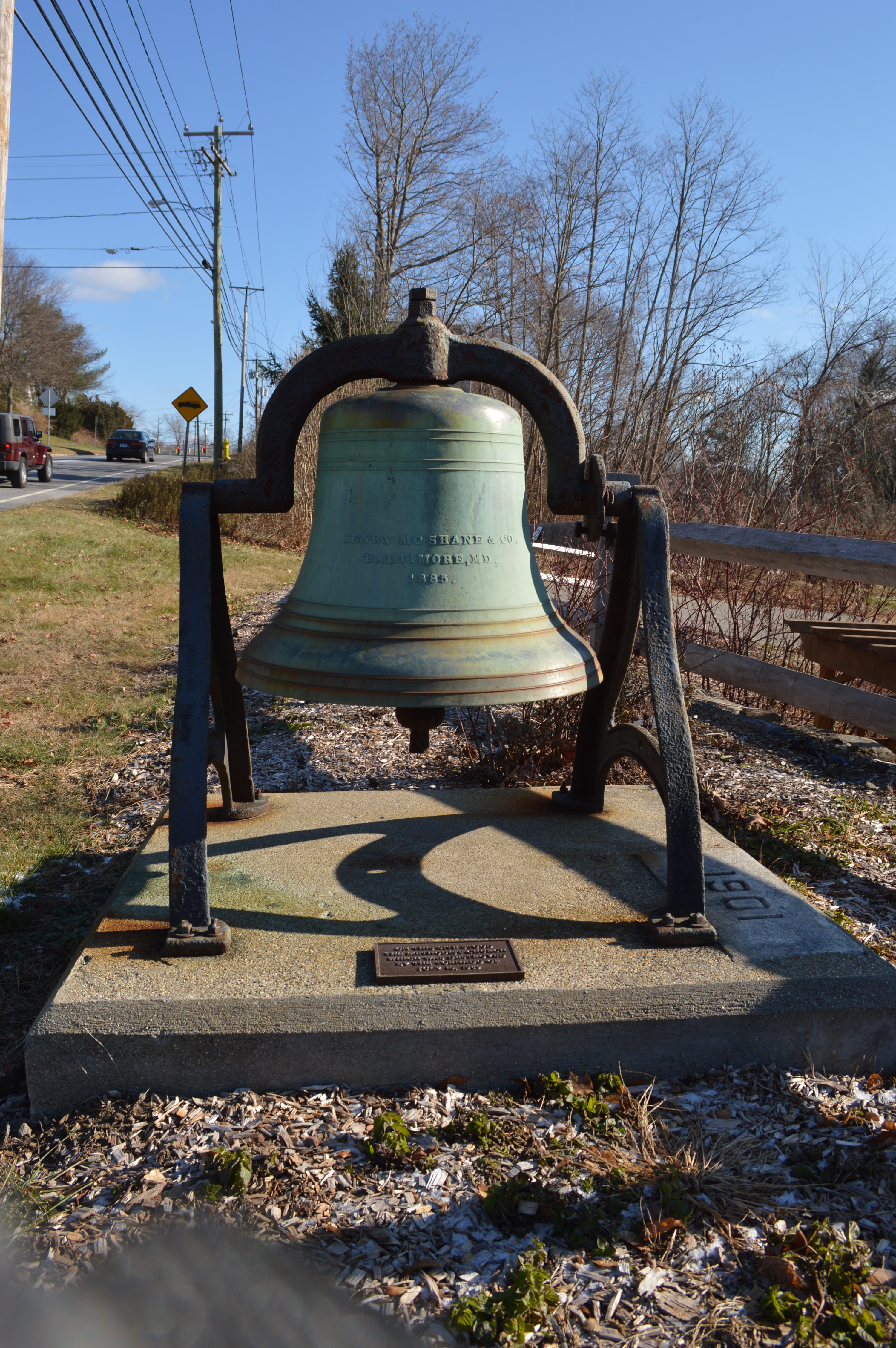
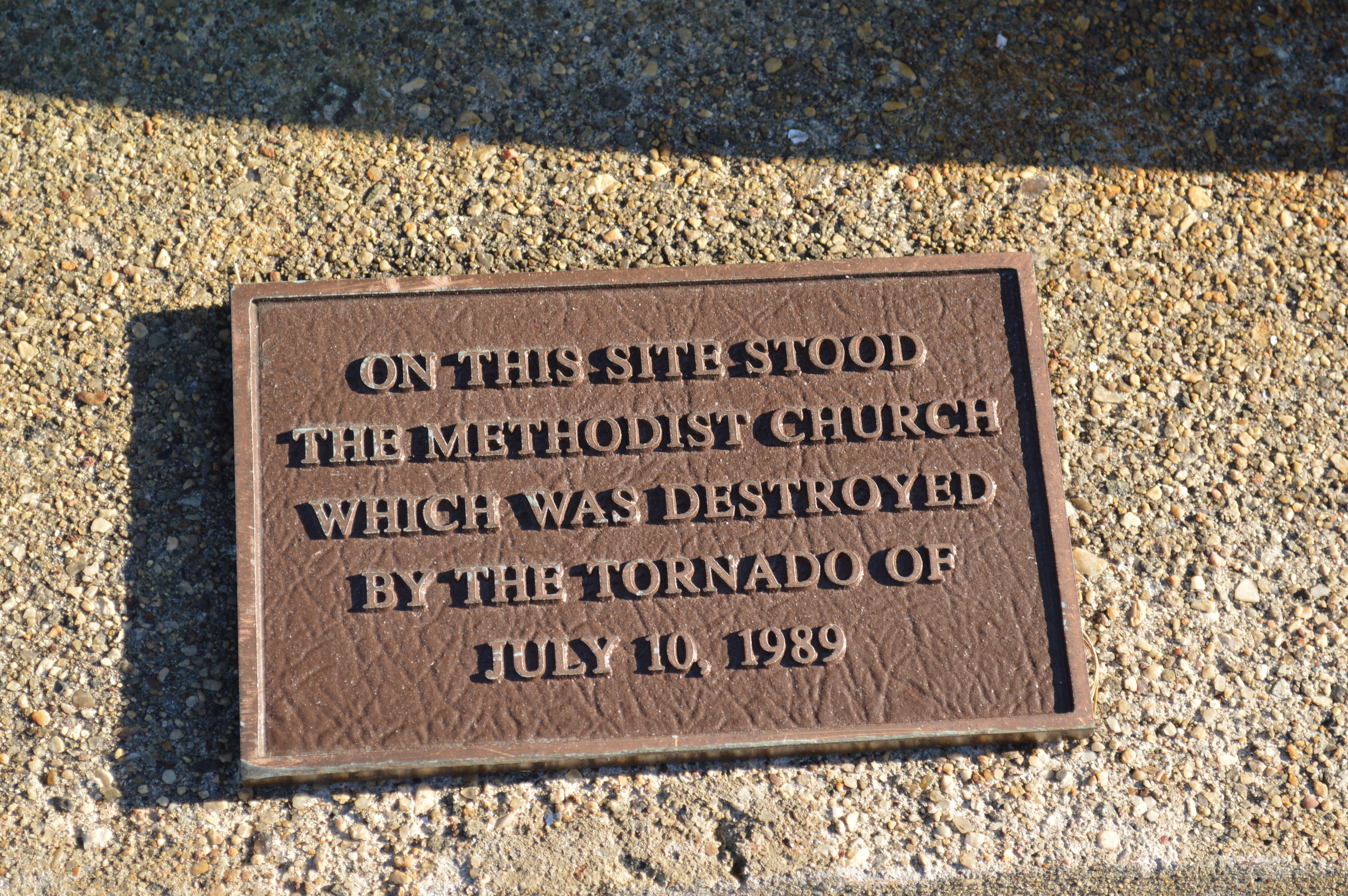
This bell and plaque commemorate the United Methodist Church of Bantam, destroyed 25 years ago today by a tornado.

2013-11-29 11.55.21

On Monday, July 10th, 1989, a powerful family of tornados came out of New York State and ripped apart Cornwall’s Mohawk Ski Area, damaging every ski lift and carrying some of their chairs miles away.

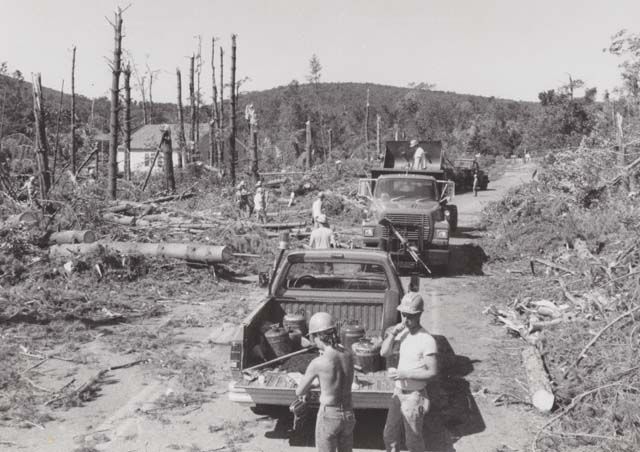
Workers cleaning up the Cathedral Pines area after the tornado.  ctvisit.com

Workers cleaning up the Cathedral Pines area after the tornado. ctvisit.com

Atop any list of Litchfield County’s ecological treasures would have been Cornwall’s Cathedral Pines, at42-acres one of the largest stands of white pines and hemlocks (some reaching 120 feet high) east of the Mississippi. In one of the county’s first acts of ecological awareness, the Calhoun family purchased the land in 1883 to protect it from logging. The family donated Cathedral Pines to the Nature Conservancy in 1967. The tornado destroyed ninety percent of the trees in Cathedral Pines.

An early view of the Methodist Church in Bantam, destroyed by the tornado.  Bantam Historical Society.

An early view of the Methodist Church in Bantam, destroyed by the tornado. Bantam Historical Society.

Winds in excess of 150 miles per hour blew through Milton and Bantam, destroying homes, churches and stores.

Another tornado hit Watertown, and 12-year-old Jennifer Bike was killed when a tree fell on her tent in Black Rock State Park in Thomaston.

2013-11-29 11.53.35

2013-11-29 11.55.09

Today, a small park at the site of the Methodist Church – built in 1901 – in Bantam commemorates tornado. Within the foundation of the church are benches are gardens, a far cry from the fury unleashed on Litchfield County 25 years ago.

I was sixteen years old, working at Lake Waramaug Country Club in New Preston that afternoon. I vividly remember the sky turning a greenish color and a vicious thunderstorm rolling through. Please use the comments area on this blog to share your memories of the tornado.

Sandy Beach Memorial

2013-08-06 15.06.02

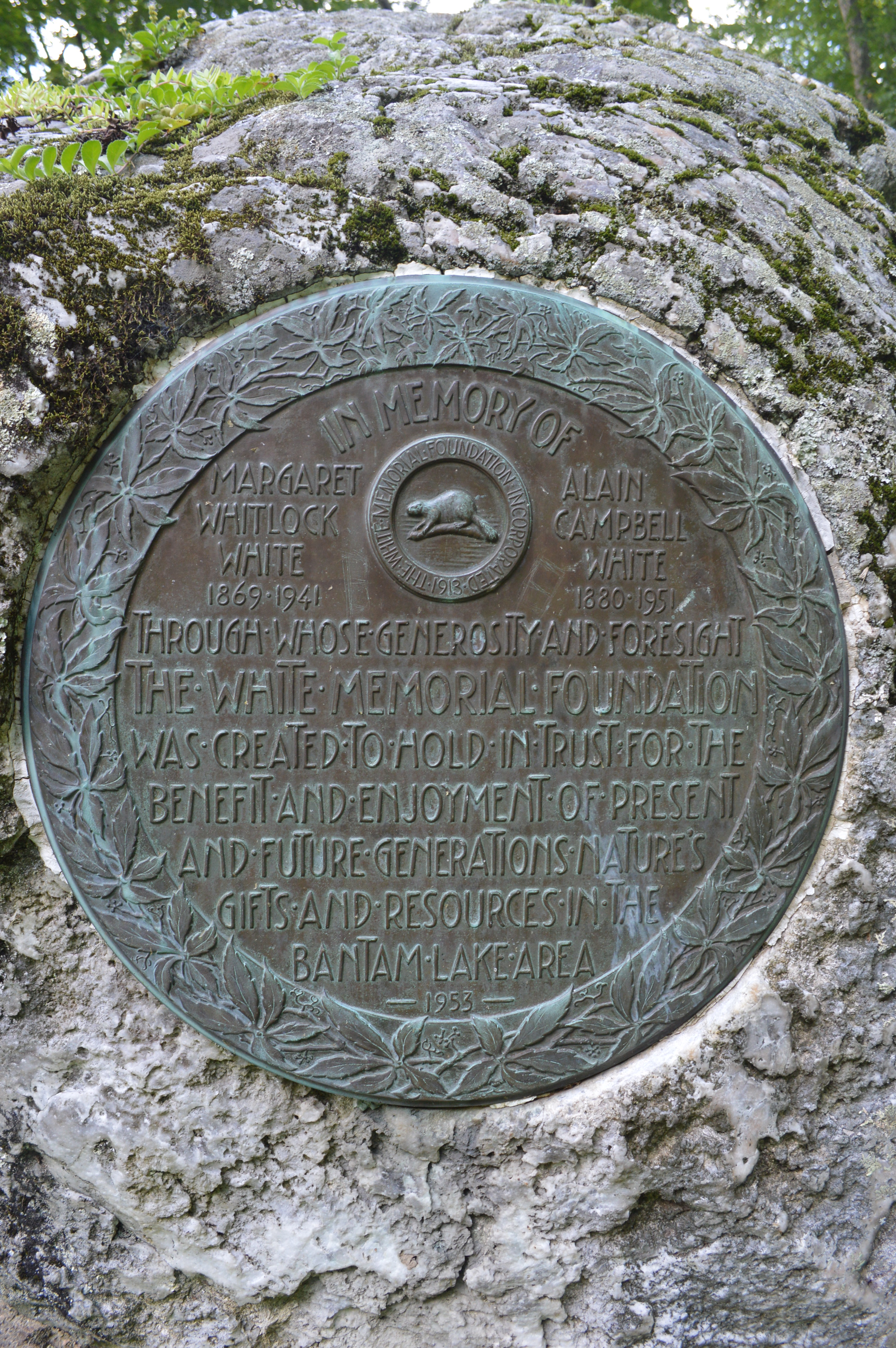
An earlier post examined the memorial to Alain and May White that stands near the Plunge Pool.  That monument, an inscribed boulder in the woods, was erected in 1980.  An earlier monument to these great conservationists stands at the entrance to Sandy Beach.

2013-08-06 15.06.24

In 1953, the White Memorial Foundation dedicated this monument.  It was designed by James Kip Finch, who served on the Foundation’s board of trustees from 1925 to 1966.

Sandy Beach, c. 1930.  (Courtesy Litchfield Historical Society)

Sandy Beach, c. 1930. (Courtesy Litchfield Historical Society)


Sandy Beach is an appropriate place for such a memorial, as one of the goals of the Whites was to make Bantam Lake’s shoreline available to local residents.  The Whites purchased the land in the 1920s from the Wadhams family, who farmed the area.  By 1929 Sandy Beach sported 30 bathhouses as well as a concession stand and a float in the lake.  Sandy Beach was widely popular from its inception.  It hosted nearly 650 visitors on a single day in 1929, and 30,000 people utilized the beach in 1930.  The beach offered cheap entertainment to a region facing the Great Depression.

Photo courtesy of litchfield.bz

Photo courtesy of litchfield.bz

The Whites established the Sandy Beach commission in 1928, which worked with the  Foundation to manage the site.  In 1976 stewardship of the beach passed to the towns of Litchfield and Morris.  After more than 80 years, however, Sandy Beach continues to serve its original purposes of offering local residents a refuge from the summer heat.

The Sign-Post Elm

DSC_0548

This is among the most hidden in plain sight of Litchfield markers.

DSC_0547

Today, Litchfield residents who wish to spread news of an event hang flyers at Stop and Shop, the Oliver Wolcott Library, or the Post Office, or information posted on Litchfield.bz. In an earlier day, Litchfield’s residents hung notices on the Sign-Post Elm.


The Whipping Post Elm (White, The History of the Town of Litchfield)

The Whipping Post Elm (White, The History of the Town of Litchfield)

Litchfield had many distinguished elm trees. Brothers Oliver Wolcott Jr. and Frederick Wolcott planted many elms along North and South Streets. John C. Calhoun planted elms at the corner of West Street and Spencer Street and also on Prospect Street when he was a student at the Litchfield Law School. The ominously-named Whipping Post Elm stood in front of the jail at the corner of West and North Streets.; at 150 inches he reportedly had the greatest diameter of any elm in town. Second was the Beecher Elm at 146 ½ inches, at the site of the family home on the corner of North and Prospect Streets.

The Sign Post Elm, with notices visible, at left.  (White, The History of Litchfield)

The Sign Post Elm, with notices visible, at left. (White, The History of Litchfield)


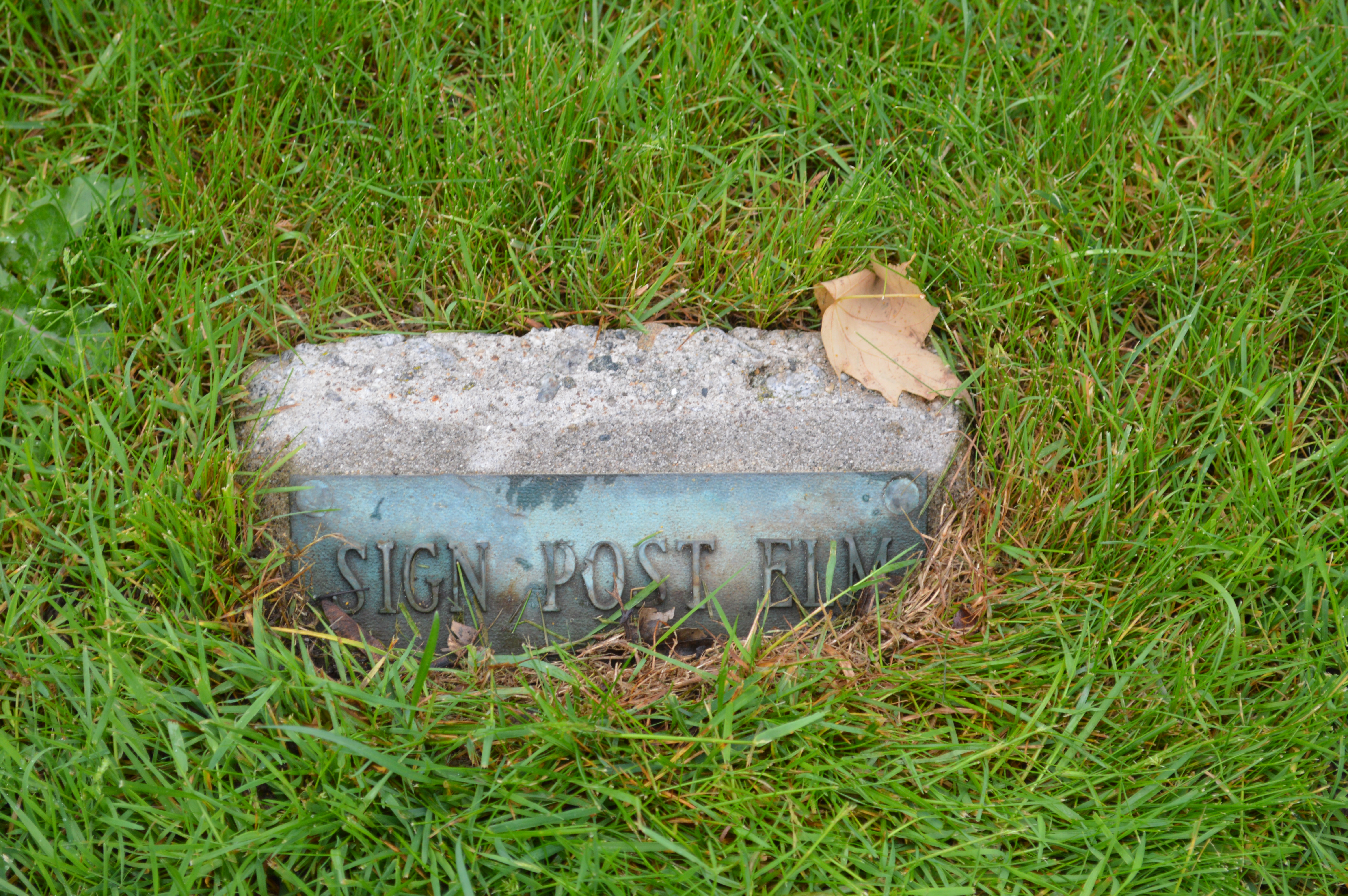
The Sign-Post Elm was not as big, but was, perhaps, of greater importance. For many years it stood at the corner of South and East Streets, in front of what is now the Litchfield Historical Society. It displayed the legal notices of the town, informed residents of town meetings, and hosted, under its branches, auctions and sheriff sales.

DSC_0550

The marker for the sign-post elm is visible as the small stone-like object to the left of the telephone pole in this photograph.

Henry_Ward_Beecher_-_Brady-Handy

Henry Ward Beecher

While Dutch Elm Disease, which was first discovered in the 1920s, has devastated the mature elm trees of North America, the value which Americans of an earlier ascribed to the elm is indisputable. Litchfield native Henry Ward Beecher, in an 1856 account about returning to his hometown, wrote: “There were the old trees, but looking not so large as to our young eyes. The stately road had, however, been bereaved of the buttonball trees, which had been crippled by disease. But the old elms retained a habit particular to Litchfield. There seemed to be a current of wind which at times passes high up in the air over the town, and which moves the tops of the trees, while on the ground there is no movement of wind period. How vividly did that sound from above bring back early days, when for hours we lay upon the windless grass and watched the top leaves flutter and marked how still were the under leaves of the same tree!”

Hidden Nearby: Two Monuments to Sportsmen at Housatonic Meadows State Park

flyfish

This blog has typically focused on the history of Litchfield County.  While the region certainly has a rich history, it has an equally rich tradition as a place for outdoorsmen.  These characteristics intersect at Housatonic Meadows State Park.

DSC_0210

Franklin Delano Roosevelt signed the legislation establishing the Civilian Conservation Corps on March 31, 1933.  Over the next eight years , millions of men would serve in the CCC, providing income for their families ravaged by the Great Depression.

One of the first camps was Camp Cross in West Cornwall, Connecticut.  Named for Connecticut governor Wilbur Cross, it opened on June 20, 1933 and was one of the original 13 camps in the state.  Commanded by Thomas C. Hood, the camp housed the 182nd Civilian Conservation Corps, which was trained in fighting forest fires, chopping and sawing wood, and identifying trees.

DSC_0211

For their first task, the 182nd cleared 45 acres in the Housatonic Meadows State Park, which had been established in 1927.  (As the park is one the west side of the Housatonic, it is technically in the town of Sharon.) Here they also planted 45,000 red pine trees in 1933, and another 28,500 trees (red and Scotch pine, European larch, hemlock and white spruce) in 1936.  The corps also repaired and maintained roads and constructed stone walls in the park.  By 1936, the 182nd was working 6,800 acres and had mapped topographic and recreational features and catalogued trees on the property.  Their works was not without danger, however, as one corpsman was reportedly injured by a deer, two others killed a nine-foot rattlesnake, and many reported seeing “wild cats.”  The attack on Pearl Harbor eliminated the needs for the camps, but not before the CCC allowed millions of men an opportunity to help provide for their families.
DSC_0213

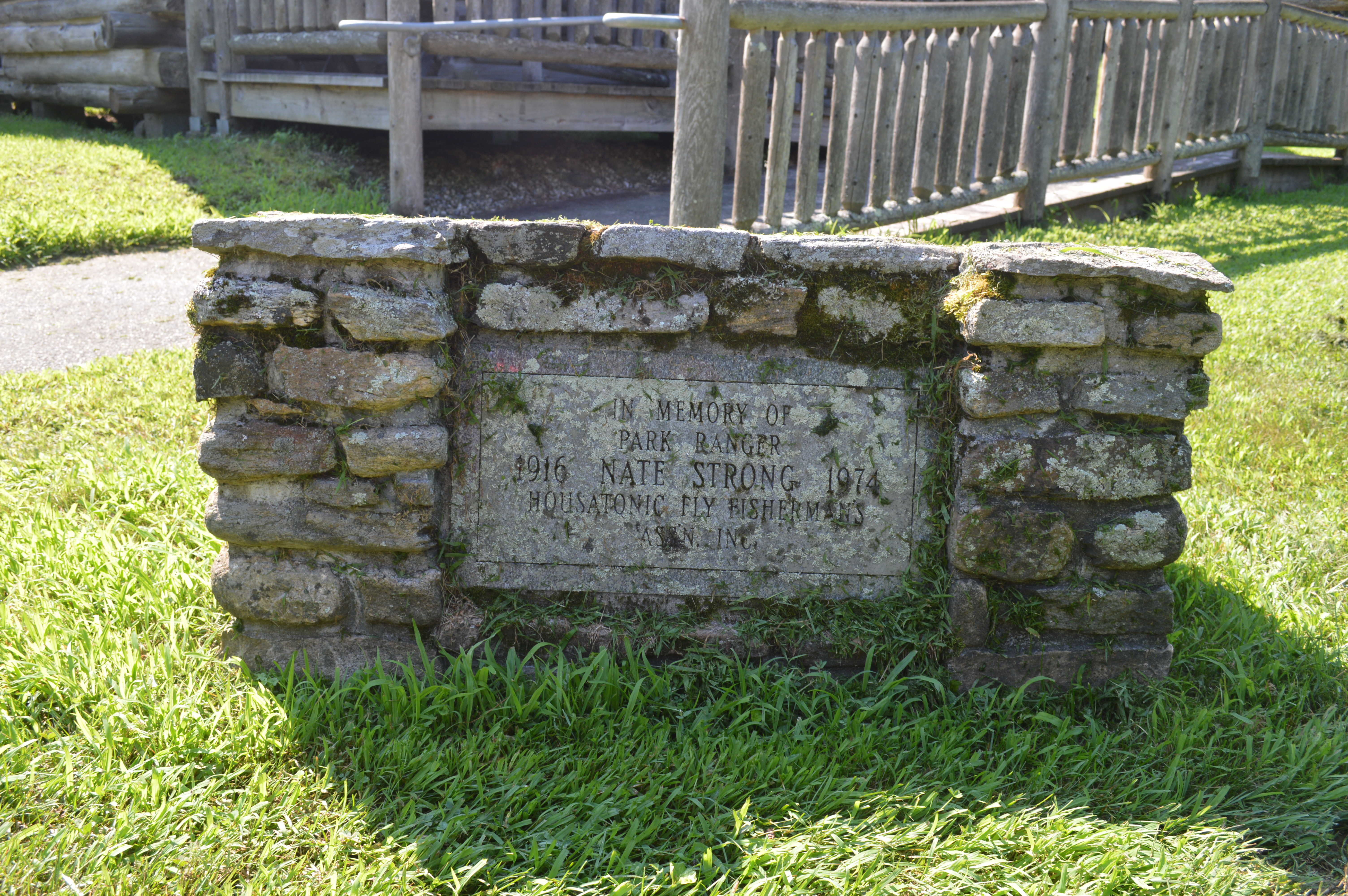
Housatonic Meadows State Park also contains two monuments that denote the area’s reputation as one of the finest fly fishing locales in the northeast.  In front of the campground office is a monument honoring Ranger Nate Strong that was erected by the Housatonic Fly Fisherman’s Association.

DSC_0212

Further south, near the intersection of Routes 4 and 7 is a second monument, this one honoring Francis L. Sheane, who was the chairman of the state Board of Fisheries and Game in the 1940s.