Hidden Nearby: New Milford Public Library’s Memorial Hall

2013-11-29 12.46.47New Milford’s first library was established in 1796.  Housed in the homes of five different “public spirited citizens” it was ironically known as the Union Library.  The library was open only five days a year, and consisted of 350 books.  A century later, the New Milford Library Association was founded and the collection was relocated to the town hall.

Public_Library,_New_Milford,_CT

In 1893, the General Assembly of Connecticut passed a bill “authorizing the Town of New Milford to erect a library building and memorial hall,” honoring the 267 soldiers and sailors from New Milford who served in the Civil War. The legislation further specified that the structure was “also to contain the tablets, emblems, and inscriptions commemorative of those soldiers who enlisted from said New Milford, and for meetings of the Grand Army and for other literary, patriotic, and historical purposes such as the town may prescribe.”
gravemarkers-gar (1)

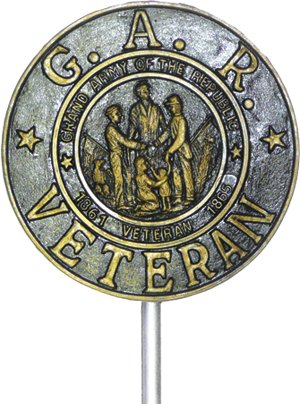
The “Grand Army” was the Grand Army of the Republic, a fraternal organization comprised of veterans of the Union Army.  Founded in Decatur, Illinois in 1866, the GAR became among the first – and arguably one of the most successful – lobbying organizations.  At its peak it consisted of 490,000 Civil War veterans.  The GAR supported voting rights for African American veterans, furthered the careers of Republican politicians, and pushed for Congress to establish veterans pensions. (The GAR was so successful in this last endeavor that as of 2013, one pension is still being paid – $876 a year to the daughter of a Civil War veteran born around 1930!)

General Emory Upton, for whom New Milford's GAR post was named.

General Emory Upton, for whom New Milford’s GAR post was named.

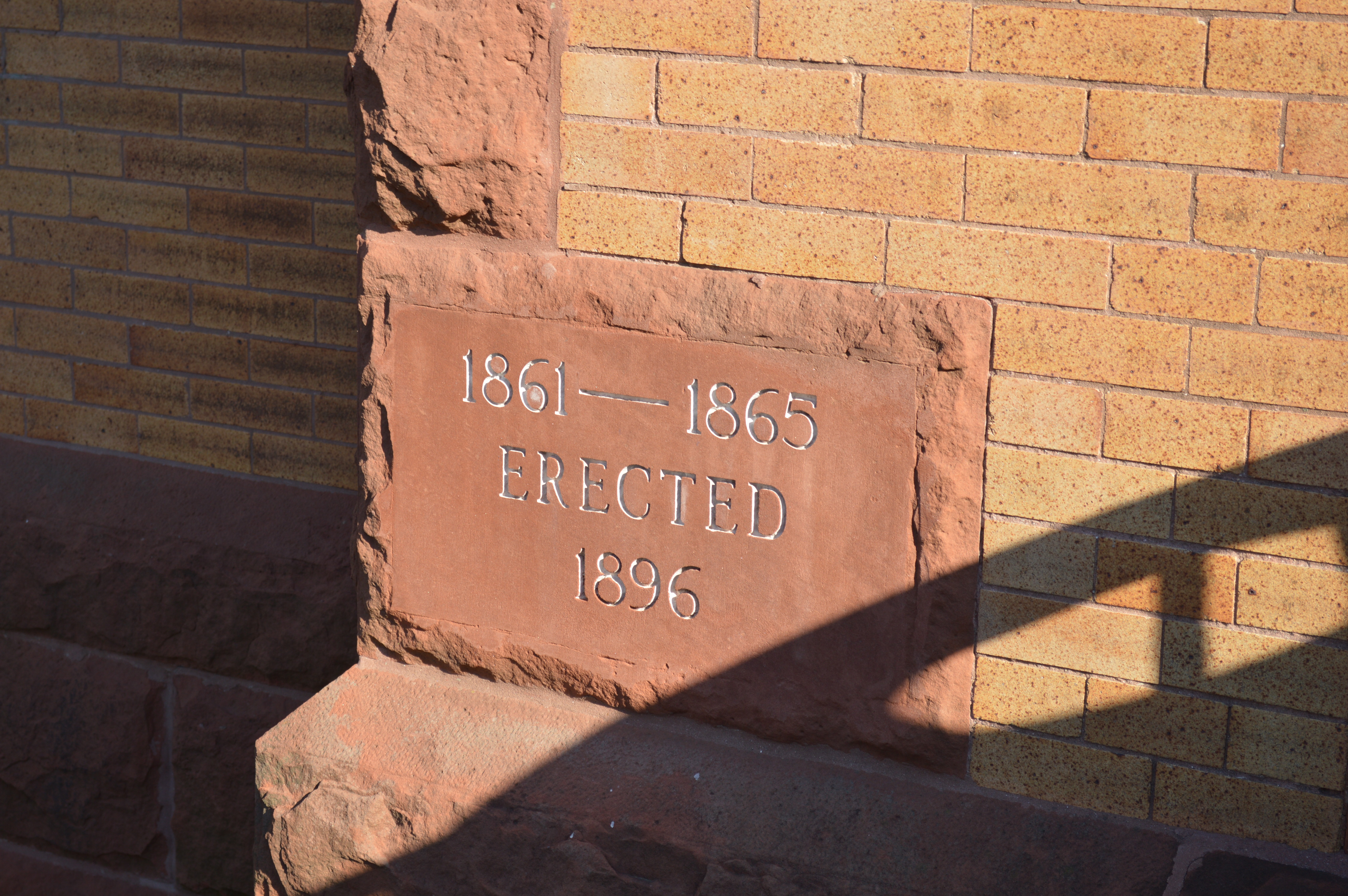
Egbert Marsh, a prominent citizen, offered the town a lot on Main Street and $10,000 toward the construction of a new building, with individuals contributing the balance. Marsh donated additional money to purchase books for the collection. The library building was erected in 1897.  The reading room opened in January 1898, and the circulation of books began two months later. The second story of the building served sat the headquarters of the GAR’s Upton Post, which was organized in 1882 with 26 charter members.
8c08bd76-434c-4813-8680-788a89403dd8

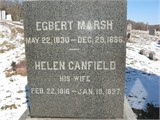
Egbert Marsh’s grave, Center Cemetery, New Milford

Egbert Marsh died in 1896 and never saw the completed structure.  The second story of the library, devoted to public lectures and meetings, is still called Memorial Hall, however, and its walls are decorated with prominent images and documents from the Civil War.
Hidden Nearby: Torrington’s Carl Bozenski’s Christmas Village

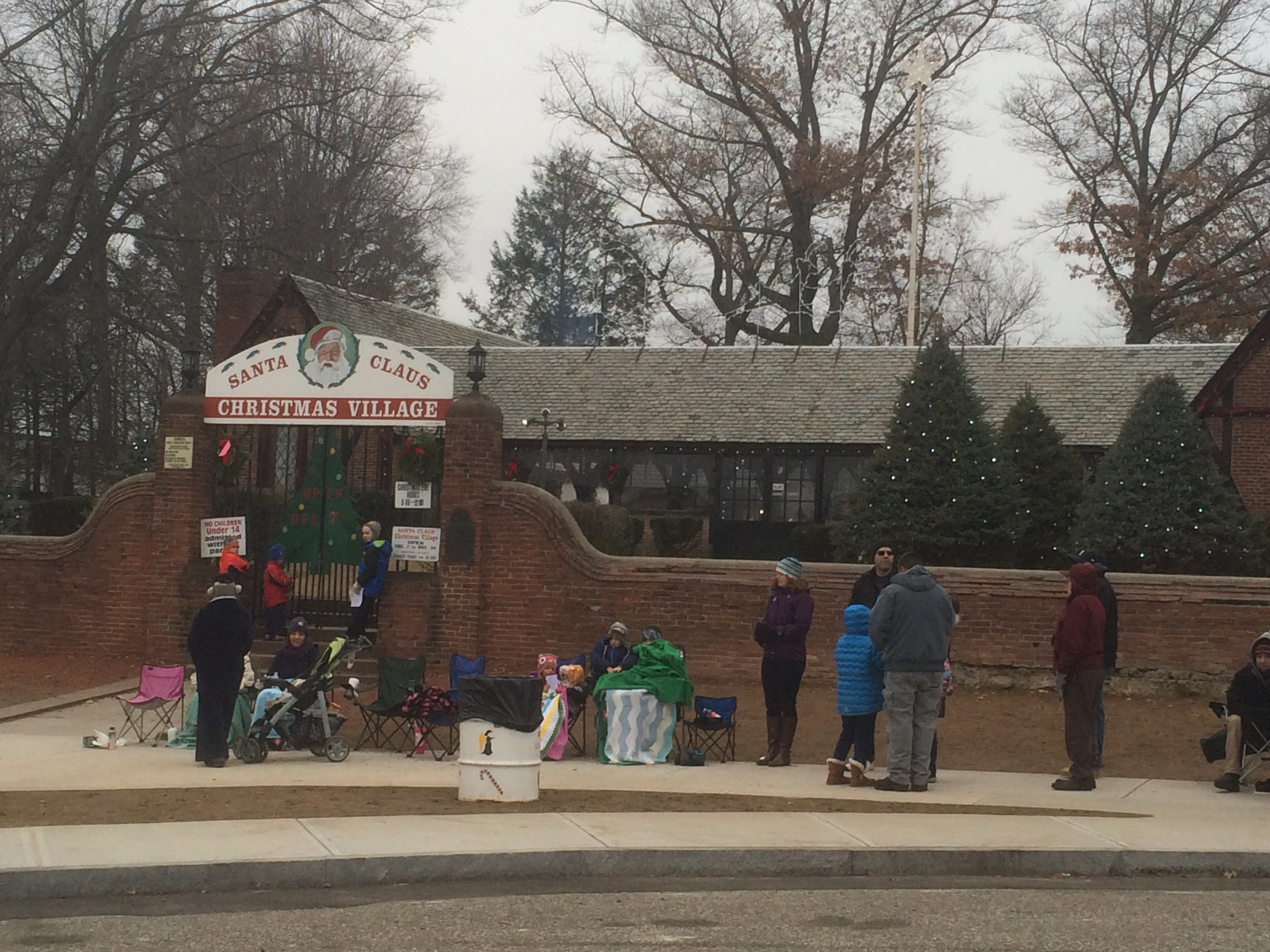
IMG_1407A site for which people stand in line for hours is hardly hidden.  Carl Bozenski’s Christmas Village has been a fixture of Litchfield County’s celebration of Christmas since 1947.

IMG_1409

Bozenski was Torrington’s Parks and Recreation Supervisor who, frustrated with the commercialization of Christmas, opened his own Yuletide attraction to spread holiday spirit.  (The site was also once used for summer camps.) Nearly seventy years later, crowds continue to pour into the village.  The Christmas Village opens with a parade through town in early December.  Visitors stand in line – often for hours – to see the toy workshop and Santa’s house, to meet Santa himself and receive a small toy.  (Toys are collected through a community toy shower.)  In 2013, more than 20,000 people visited the Christmas Village, keeping alive the dream of Carl Bozenski and securing its place as a centerpiece of a Litchfield County Christmas.

A very merry holiday season to everyone who takes the time to check out this blog!

East Cemetery: The Death’s Head Tombstone

2014-11-16 15.25.09

Prior to the sixteenth century’s Protestant Reformation there were few formal burying grounds for those who were not nobles.  The remains of royalty, nobility, and high-ranking clergy members were often entombed in the walls of churches and cathedrals, with the areas closest to the altar being reserved for the most important members of society.

2014-11-16 15.22.02

The social changes spurred on by the Reformation – and the necessity of finding new spaces with the walls of churches nearing their capacity – led to the dead being interred in burial grounds, often known as God’s Acres. The emergence of these cemeteries opened up the possibility of a tombstone for members of the middle class, which meant an opportunity to be remembered.

2014-11-16 15.28.34

Much of New England’s tombstone art followed the lead of the Puritans, who were particularly macabre in their engravings.  Puritan theology held that only the “Elect” would make it to heaven; the rest of mankind just died, were buried, and rotted in the ground. These beliefs are reflected in Puritan gravestone art, with the classic words, “Here lies of the body of …” engraved below a skull or skull and crossbones.

2014-11-16 15.23.07

However, a loosening of the grip of conservative Puritanism led to more optimistic gravestones, with skulls being swapped for human faces, and crossbones giving way to angels’ wings.  Equally telling is a subtle change in the wording, with “Here lies the body of …” often giving way to “Here lies the mortal remains,” language that allowed for the possibility of a human soul.

For more information on cemetery art, see Douglas Keister’s excellent Stories in Stone.

The Grave of Willis Carter

DSC_1097

The grave of Jeph Africa, a Revolutionary War veteran, in the East Cemetery.

In the southeast corner of Litchfield’s East Cemetery is a section of graves of African Americans who lived in the 19th century.  Several government-issued graves mark the final resting places of men who served in the 29th Connecticut Infantry, the state’s African American regiment.

DSC_1096

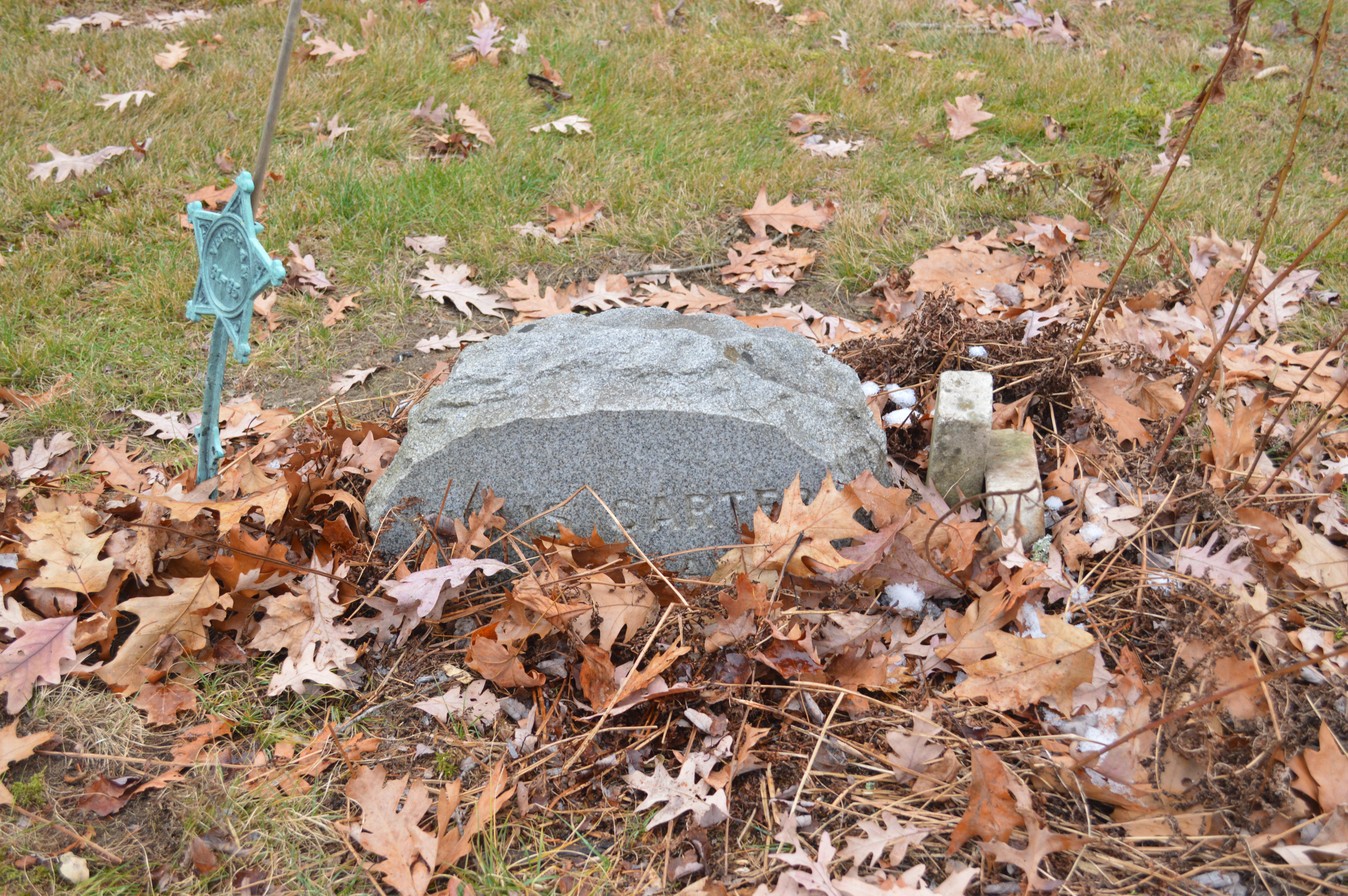
Less noticeable is a simple white grave, half buried.  Was it originally installed like this, or has it slowly sunk into the ground over the decades?  When the leaves are removed, the words jump out at the explorer:

WILLIS CARTER

BORN A SLAVE IN

TENNESSEE

A Civil War veteran’s marker stands next to Carter’s grave but no other immediate information is available.  Does his gravestone contain information about what unit he served in, when he was born, or when he died?  To find out would require disturbing the soil containing his remains.

DSC_1095

Some information is available in Census reports.  The 1870 census identifies Willis Carter as a Torrington resident, born in Tennessee around 1847. The 1880 census provides slightly more information.  We learn that Carter was then living in Litchfield, and was married to Ellen.  His birth year was then estimated to be 1848; both his parents were born in Tennessee.

The 29th Connecticut Infantry

The 29th Connecticut Infantry

Willis Carter’s name does not appear on the roster of men in the 29th Connecticut Infantry.  The records of this unit, however, are hardly definitive.  Still, it is perhaps more likely that he joined a unit of the United States Colored Troops forming in his native Tennessee, and found his way north after the war.  Either way, Willis Carter’s sunken gravestone provides testimony to a remarkable period in American history, when one born a slave in Tennessee became personally involved in a war that secured his freedom, and who afterward found himself living and working in a small New England town.


Stone Walls

DSC_1017

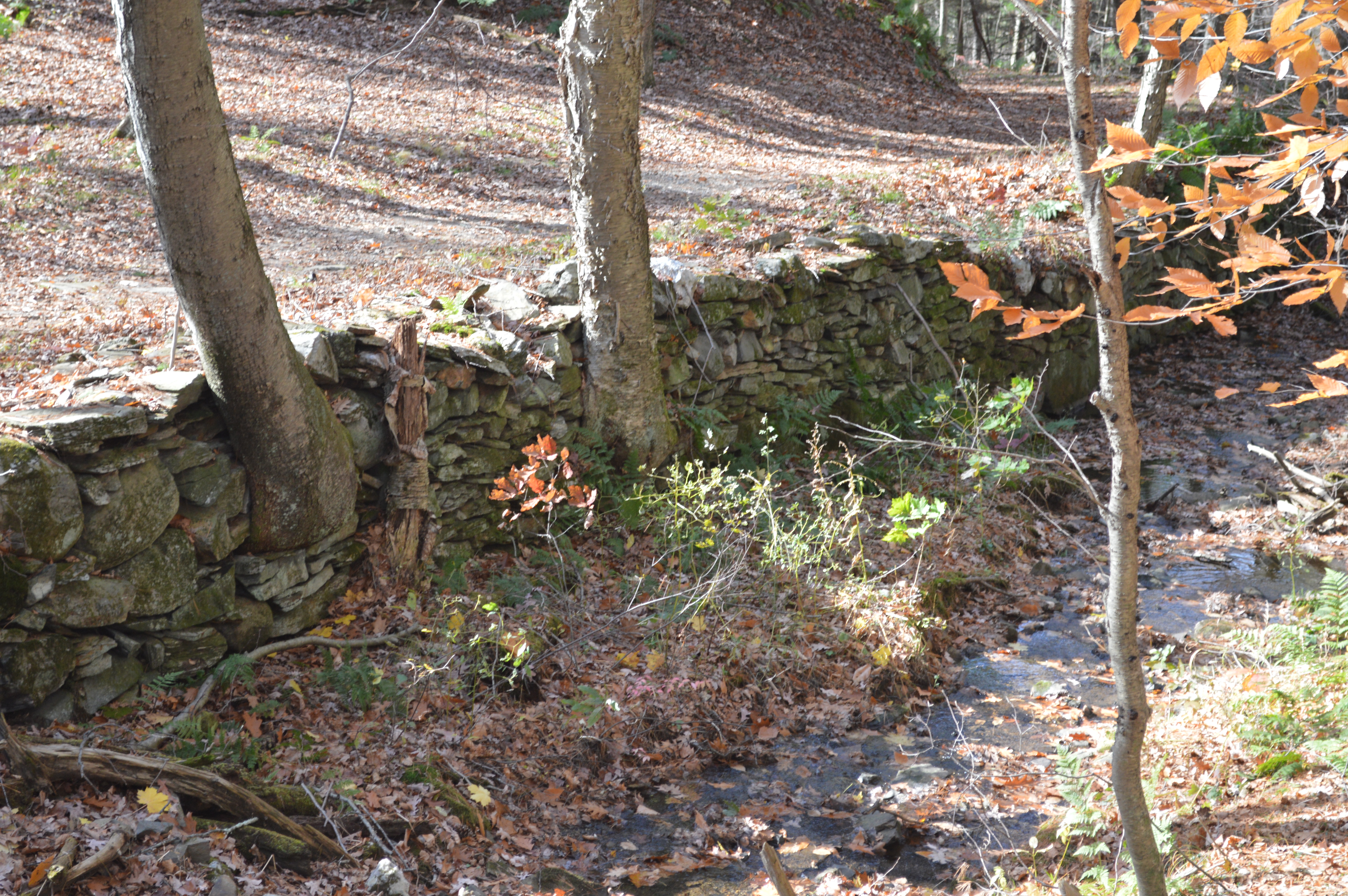
With the leaves off the trees fall is a great time to explore the stone walls of White Memorial. There is, perhaps, no better-known example of man’s reshaping of the Litchfield County landscape than stone walls. Robert Thorson, author of the superb history of these creations, Stone by Stone, wrote that “abandoned stone walls are the signatures of rural New England, the “relics of a vanished agricultural civilization.”

Perhaps there is no better metaphor for the history of Litchfield County than its ubiquitous stone walls. Constructed from colonial times through the middle of the nineteenth century, they stand as testimony to the intrepid early settlers who cleared the land in the hopes of making a living from the county’s soil. In plowing their fields, they utilized these unwanted stones to dam streams, mark roadways and property boundaries and pen in livestock. Yet the explorer is struck to find these vestiges of an earlier time in the county’s deepest forests, an indication that this land was once cleared and worked but has since been reclaimed by forests as lifeways in the county changed.

DSC_1015

The stones that form these walls were deposited by the Laurentide Ice Shield 15,000 to 30,000 years ago, which scraped down to New England’s bedrock and scattered billions of stones across the region. Initially, the earliest stonewalls were built from stones obtained from quarries. The “Little Ice Age” of the 18th century, however worked stones to the surface through deep freezes and the erosion caused by spring runoffs. Thus, the clearing of stones from pastures and fields became an annual spring ritual. Farmers brought these stones to the fences that lined their properties, often by hand or by sleds pulled by oxen. Over time, these piles were reworked into more architecturally-significant structures as the supply of labor on farms grew.  Eventually the walls shaped the landscape by forcing rain to different streams or building up soils.

DSC_1033

Stone walls served several purposes for farmers. When the communal land practices of the earliest colonial days shifted to a philosophy of individually owned land, stone walls were used to define boundaries. Farmers often piled stones until they reached the lowest level of a split rail fence.  Stone pens were utilized for what Thorson has termed the “strategic dropping of manure” for use as fertilizer. Elaborate stone walls were utilized as status symbols. More than anything, however, stone walls were simply ways to dump stones that were obstacles to farmers in their fields.

New England farmers built five principal types of stone walls. These are:

DSC_1014

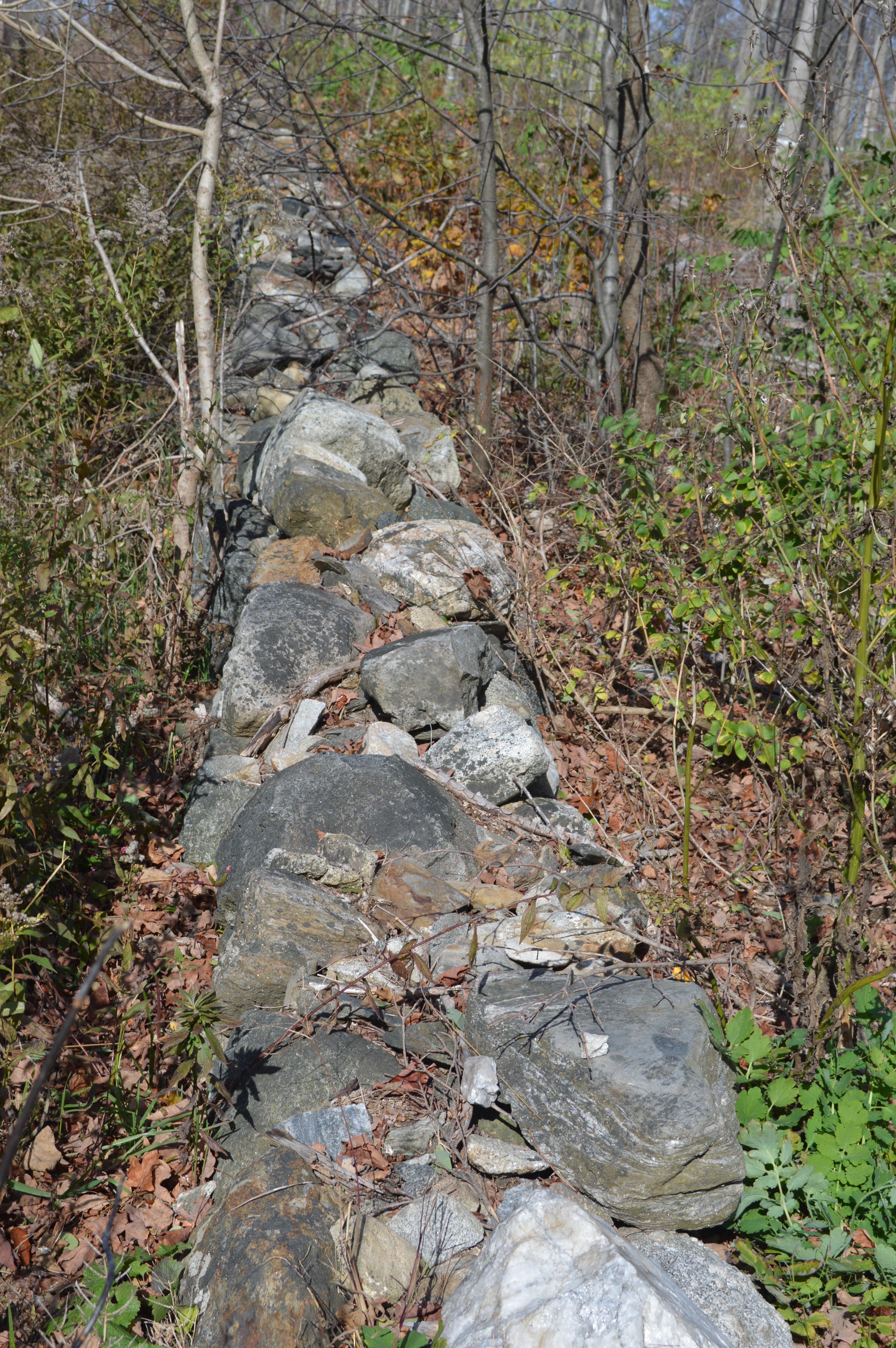
Dumped Wall – A simple line of piled stones.

DSC_1026

Tossed Wall – With stones stacked like firewood, this is the most common of       stone walls. It required a bit more attention that the dumped wall.

DSC_1023

 Single Wall – stones piled on top of each other. These were used to surround pastures.

DSC_1011

Double Wall – Parallel walls with smaller stones used to fill in between.

DSC_1028

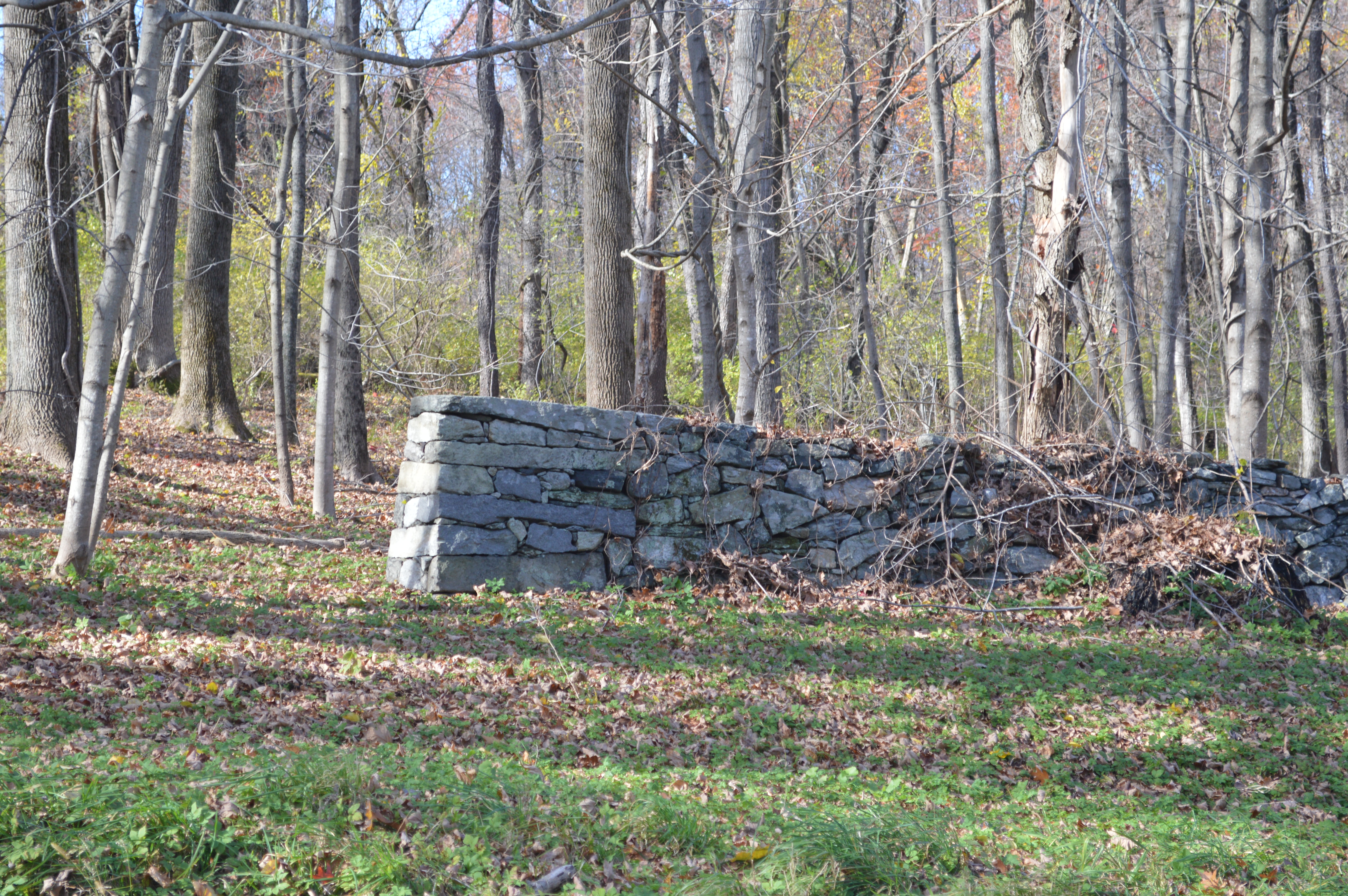
Laid Wall – Featured stones in a “weave” pattern.

DSC_1019

A 1939 study estimated that there were 240,000 miles of stone walls in New England, which contained more stone than the remaining monuments of the ancient world put together. Unfortunately, Connecticut (unlike Massachusetts and New Hampshire) has no law that protects its stone walls, and they are slowly falling victim to bulldozers or being quarried for new stonework.

Hidden in Plain Sight: The Book!

Please forgive a shameless self promotion …

Hidden History of Litchfield County, my book based on this blog, will be published by the History Press on November 4th.

You can learn more about it here.

Books are available for pre-order through The History Press or Amazon.

I will be doing book talks at the following locations:

Salisbury Association, November 15th, 4pm

Cornwall Library, November 22nd, 4pm

Litchfield Historical Society, December 7th, 1pm

None of this would have been possible without the readers who have supported this blog.  Thank you all very much!

Hidden Nearby: Housatonic Valley Regional High School’s 75th Anniversary

Housatonic_Valley_Regional_High_School_025

Prior to 1939, the six towns that currently comprise Regional School District #1 – Canaan, Cornwall, Kent, North Canaan, Salisbury, and Sharon – each had their own high school.  The cost of providing secondary education in such small towns, especially in the midst of the Great Depression, was becoming increasingly problematic.  In 1935, to reduce these costs and to provide a broader array of academic and extracurricular activities, William Teague (the state-appointed supervisor of rural education) proposed a consolidated high school for the six towns.  In 1937, the state legislature passed a bill creating the new district and establishing the first regional high school in New England.

Cornerstone

Later that year the Regional School Board purchased 75 acres of the Lorch farm at a central point in the region, overlooking the Housatonic River in Falls Village.  Ernest Sibley was hired as the architect and he designed the school in the Georgian Revival style that was popular among New Deal buildings. In 1938 the cornerstone of the building was laid.

construction

The land, building and equipment associated with the school cost $347,180.  Of this amount, $326,946 came from the Public Works Administration, a New Deal agency designed to build governmental buildings and structures.  Thus, Housatonic became one of the 7,488 schools built by the PWA.

paper

Paul W. Stoddard, an English teacher from Hartford’s Bulkeley High School, was hired as the school’s first principal and oversaw not only the hiring of the entire staff but also the drafting of the school’s curriculum.  When school opened for the first day on September 25, 1939, the school was in an unfinished state.  Its 374 students trod on bare cement floors, had no lockers, and heard no bells.

motto

A motto was selected for the school – Felix Prole Virum – “blest in offspring, wise and strong.”  As the towns of northwest Connecticut celebrate their high school’s 75th anniversary, that motto remains painted above the doors to the school.

East Cemetery’s Van Winkle Gateway

cem5

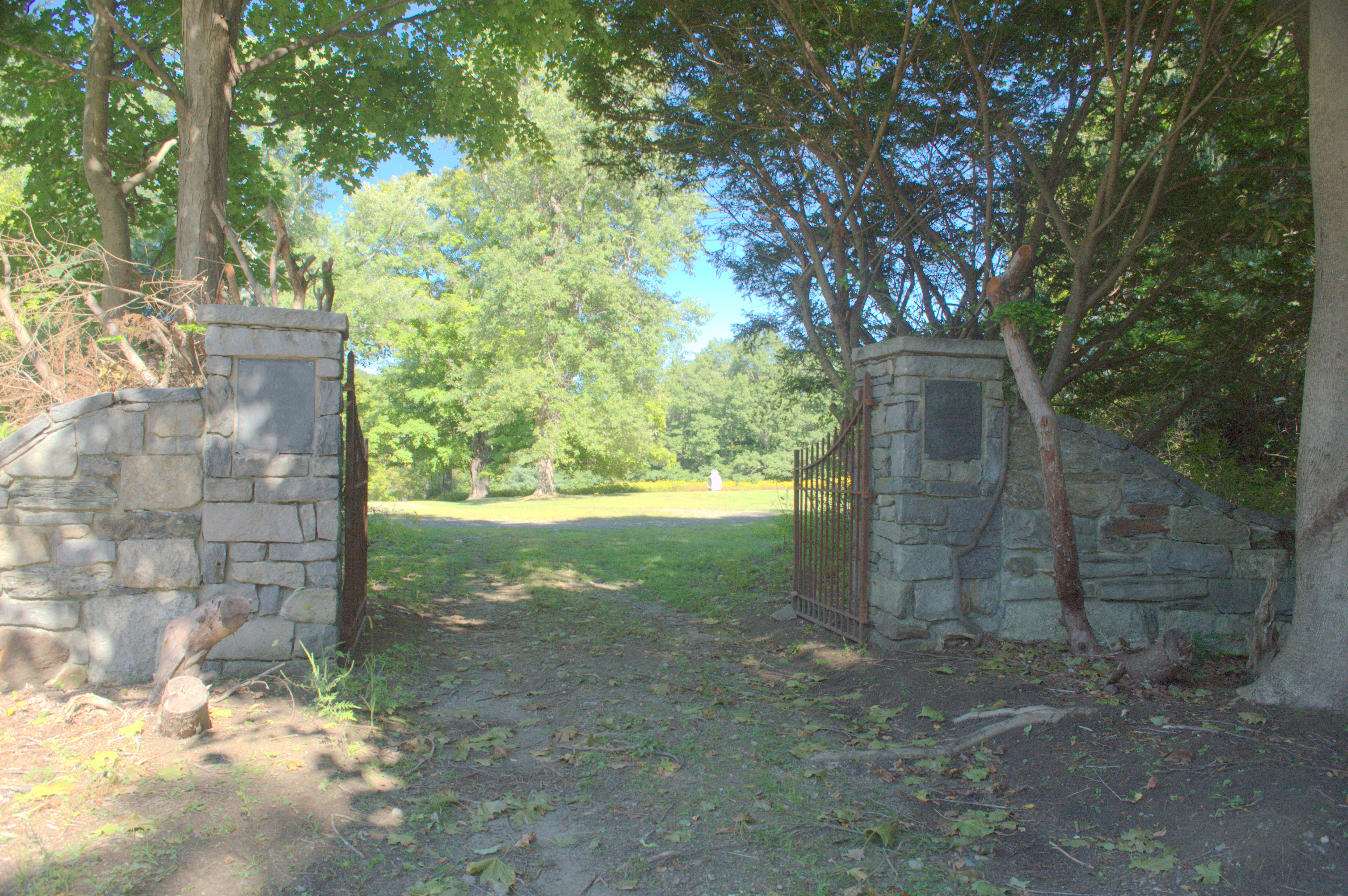
An outstanding job of brush clearing along Rt. 202 between Litchfield and Torrington has recovered the Van Winkle Gate of the East Cemetery.


cem3

East Cemetery, Litchfield’s largest, is, according to Alain White’s history of the town, the third oldest cemetery in town.  White identifies West Cemetery, established in 1723 as the oldest but does not state what is second.  In 1754 a committee consisting of Samuel Culver, Joshua Garritt, and Edward Phelps was formed to lay out a new cemetery closer to town.  Their work was finished in January 1755.  As is evident from the plaque above (which adorns the right side of the gateway), Edgar Van Winkle, Sr. served as president for the Litchfield Cemetery Association for 27 years.  Van Winkle was a Union College educated civil engineer and Union Army veteran who rose to be chief engineer of New York’s Department of Public Works.  He also worked for the Shepaug Railroad. 

cem4

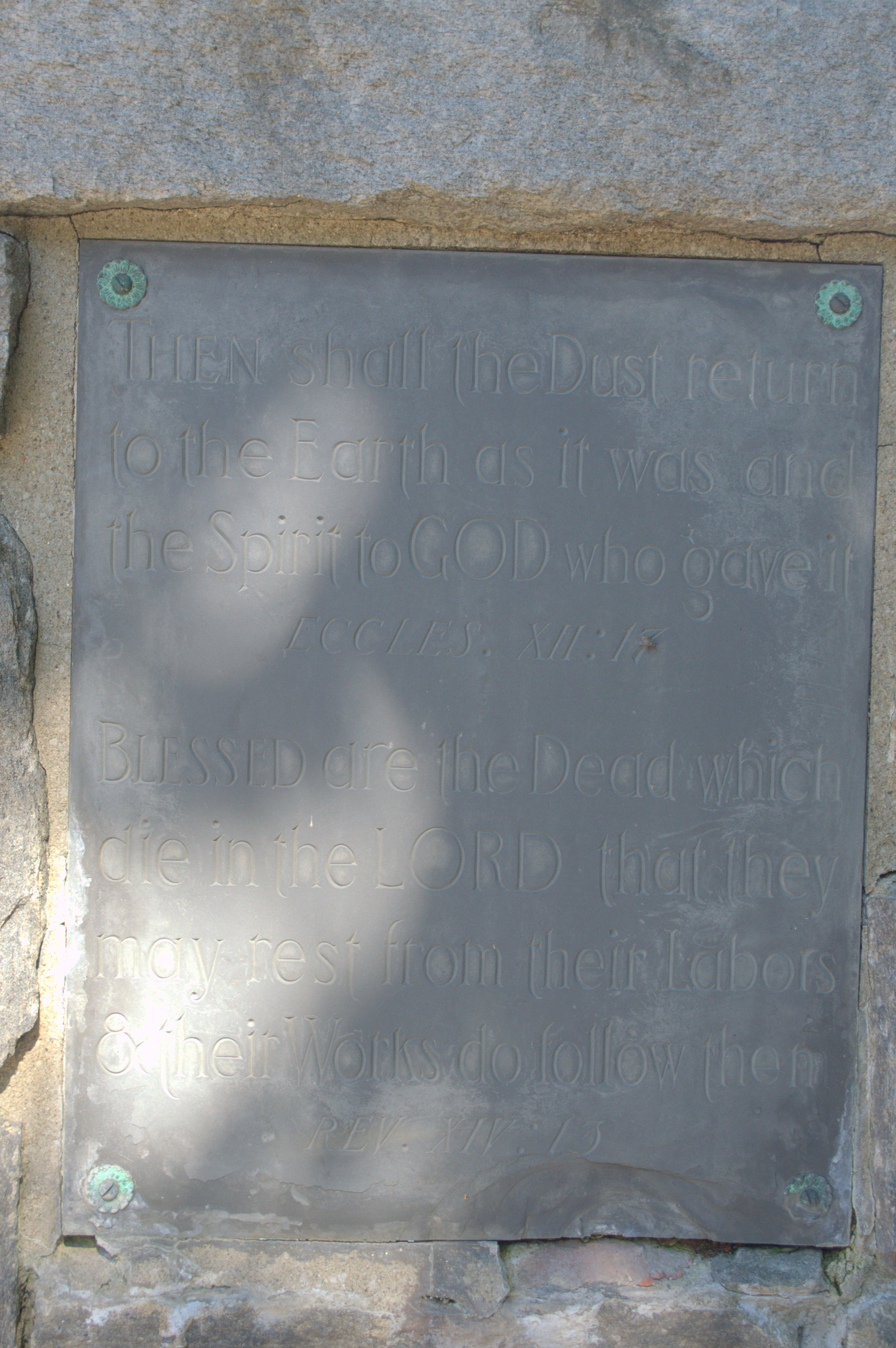
On the left side of the gate are biblical quotations.  The first is: “Then shall the Dust return to the Earth as it was and the Spirit to God who gave it” from Ecclesiastes.  The second is: “Blessed are the Dead which die in the LORD that they may rest from their labors & their works do follow them” from Revelation.

stonewall

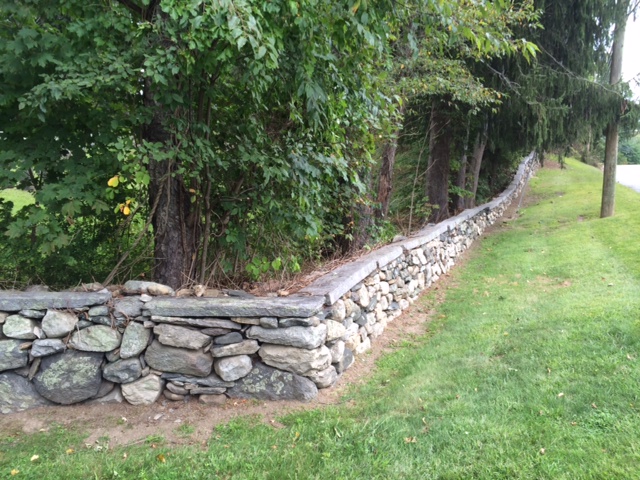
Originally the area of the cemetery behind the gate was designated for use as a highway, but when the cemetery expanded in 1837, the town voted to give the highway land to the Litchfield Cemetery Association that still maintains the grounds.  The stonewalls alongside the Route 118 frontage of the cemetery were built by public subscription in 1850.  The southeast corner of the cemetery – along this road – contains unmarked graves of Revolutionary War soldiers.

van winkle

The entrance to the cemetery on Route 118 is dedicated to the memory of Edgar Van Winkle, Jr., who also served as president of the Litchfield Cemetery Association.  

Monuments to the Great War

2013-11-29 14.59.06

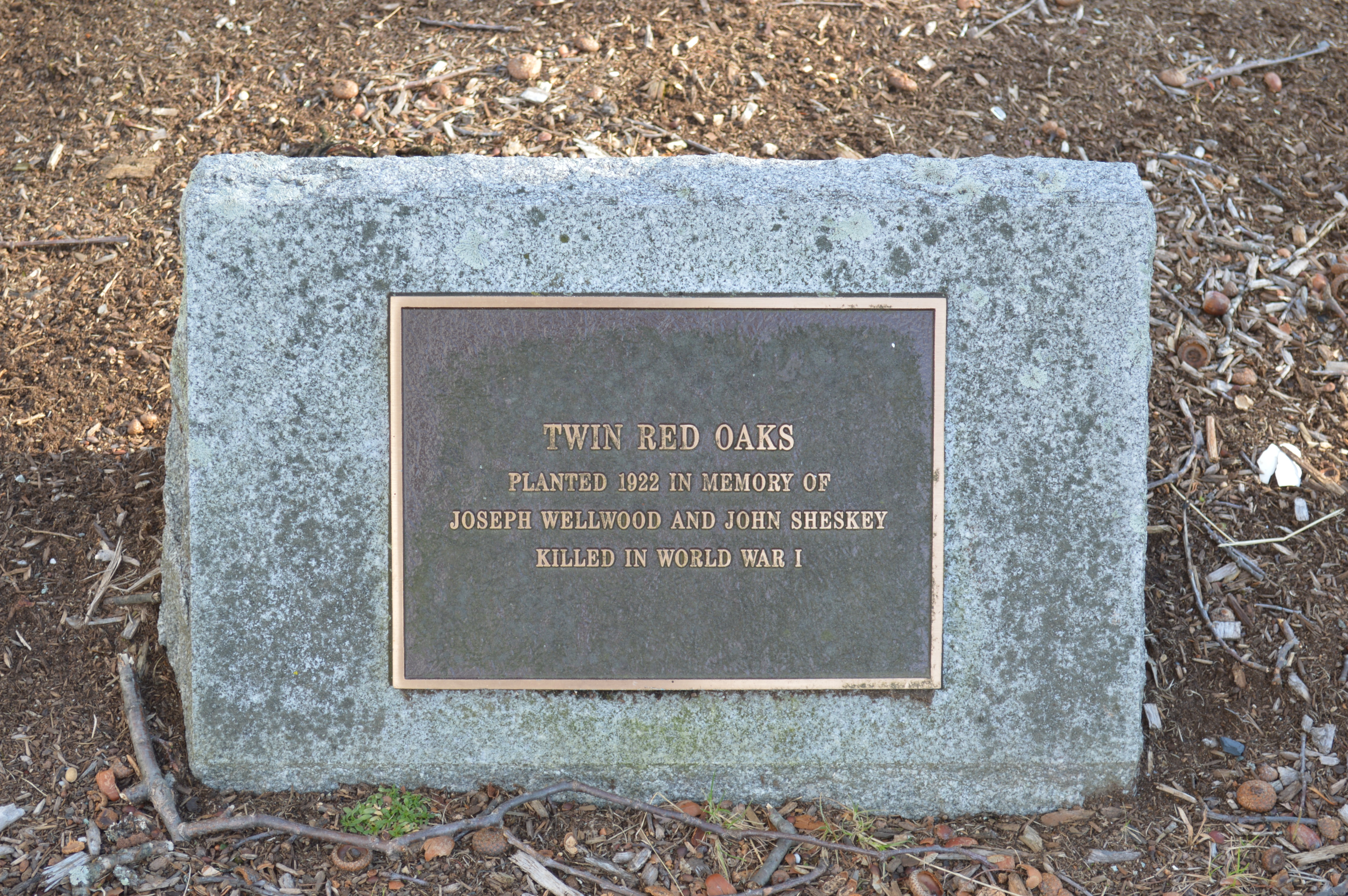
This summer marks the 100th anniversary of the beginning of World War I. The global conflagration, which resulted in nearly 20 million deaths, had an impact on the small towns of Litchfield County. The above photograph shows two red oaks in front of the Bridgewater town hall. They were planted in 1922 in memory of two town residents who lost their lives in the war, Joseph Wellwood and John Sheskey.

 2013-11-29 14.58.50

Wellwood, 21 years old, enlisted in May 1917 and was assigned to an ambulance company. Sent to Kansas for training, he died there of scarlet fever in February 1918. Shesky was killed during an artillery barrage at the Battle of Vesle on September 3, 1918, a bit more than two months before the end of the war.

 litchmon

Many of the towns in the county have monuments commemorating their dead from the Great War, or the World War; those who put up these monuments in the 1920s and 20s had no inkling that another world war was approaching. Typical of these monuments is the monument on the Litchfield green. Stars denote those who died in the war.

 dono

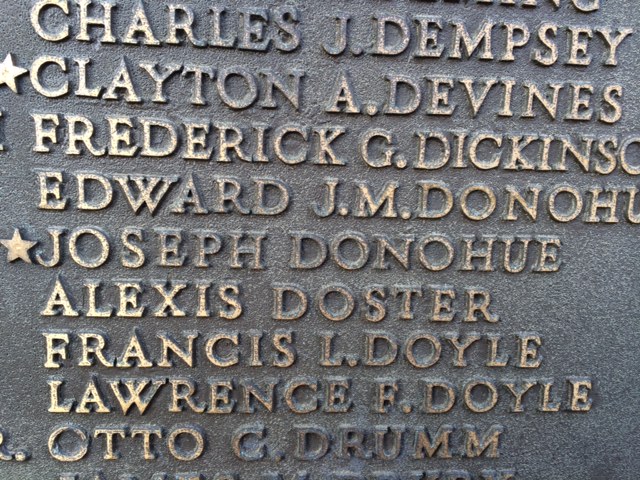
However, a close examination of the Litchfield monument reveals that these stars were perhaps added to the monument later, with holes being drilled into the bronze and the stars inserted like a pin. Clayton Devines died of influenza (which killed 50 to 100 million people worldwide between 1918 and 1920) at training camp in Jacksonville, Florida. Joseph Donohue served in Company D of the 102nd Infantry. Killed in France, he had lived at the Junior Republic in Litchfield. His adopted hometown honored him by placing his name on the town monument and recognizing his sacrifice with a star still visible today.

 cattey

Henry Cattey was from Northfield, living on Marsh Road. He was also killed in action in France. While his name is on the memorial, next to it is only a small hole. Was there once a star that perhaps fell out over time? Cattey is not the only casualty of the Great War to have lost his star. Three names have stars next to them; six others have only the hole. It is fitting during this centennial that these stars be replaced and the proper tribute paid to these made who made the ultimate sacrifice for their country.

Hidden Nearby: John Sedgwick’s Grave and Monumenthttp://youtu.be/PVDBNIzGi6ghttp://youtu.be/PVDBNIzGi6gPVDBNIzGi6ghttp://youtu.be/PVDBNIzGi6g

P1160343

Author’s note:  See a related video about Litchfield and the Civil War done in cooperation with litchfield.bz here:   http://youtu.be/PVDBNlzGi6g

Along Route 43 in Cornwall Hollow lies the grave of one of the highest-ranking Union generals killed 150 years ago in the Civil War, Major General John Sedgwick.

The battles of the Mexican War in which John Sedgwick participated, from the monument in Cornwall Hollow.

The battles of the Mexican War in which John Sedgwick participated, from the monument in Cornwall Hollow.

Sedgwick was born in Cornwall Hollow on September 13, 1813. From a military family, he enrolled at the United States Military Academy after attending Sharon’s one-room schoolhouse. Graduating from West Point in 1837 he fought in the Seminole War and the Mexican War. While serving on the Kansas plains in the 1850s he received word that his family’s Cornwall Hollow home had been destroyed in a fire. He took leave from the army to build the house that still stands near his grave.

Major General John Sedgwick

Major General John Sedgwick

Sedgwick’s star rose rapidly after the firing on Fort Sumter. He was commissioned a brigadier general, then was promoted to command a division and ultimately the Sixth Corps of the Army of the Potomac. He was beloved by his men, who called him “Uncle John.” One of his soldiers described him as “an old bachelor with oddities, an addiction to practical jokes and endless games of solitaire.” He fought at some of the war’s most famous battles: Antietam (where he was wounded three times), Chancellorsville, Gettysburg.

"The Death of General Sedgwick, Spotsylvania, May 9, 1864" by Julian Scott.

“The Death of General Sedgwick, Spotsylvania, May 9, 1864” by Julian Scott.

Commanding his corps at Spotsylvania Court House on May 9, 1864, Sedgwick was surprised to see his men dodging the fire of a distant sharpshooter. “What, what!” he proclaimed. “Men dodging this way for a single bullet? What will you do when they open fire along the whole line. I am ashamed of you.” Laughing, Sedgwick announced, “They couldn’t hit an elephant at this distance.” Almost instantly a bullet struck “Uncle John” just under the left eye. His lifeless body fell into the arms of his chief of staff.

photo (7)

Sedgwick’s body was taken to Washington, DC, where a military procession was held. Another procession was held in New York City. More than 2,000 people turned out for the Cornwall Hollow funeral. In 1892, the Grand Army of the Republic marked the grave with an obelisk bearing the Greek Cross, symbol of Sedgwick’s beloved Sixth Corps. In 1900, Mr. and Mrs. Carl Stoeckel, friends of the general’s sister, erected the monument across the street, which bears the names of the Mexican and Civil War battles in which the general fought, and the inscription “the fittest place where man can die is where man fights for man.”